
Mitochondrial disease community registry (MDCR): Perspectives from patients and families, lessons learned from the data
 Mrs. Sophia Zilber from Boston, USA will join the Targeting Mitchondria 2020 Congress and will give a presentation entitled "Mitochondrial disease community registry (MDCR): Perspectives from patients and families, lessons learned from the data".
Patient-populated registries are an important component of rare disease communities for many reasons, including their use as a tool for gathering opinions on specific topics. The Mitochondrial Disease Community Registry (MDCR) was launched in 2014 by United Mitochondrial Disease Foundation (UMDF) for this purpose as well as to identify and characterize mitochondrial disease patients from the patient perspective. This talk presents data collected over a four year period and provided by adult mitochondrial disease patients and caregivers of pediatric mitochondrial disease patients. Findings suggest the importance of clinician-patient communication, need for treatment and cure, the impact of the disease on the entire life of a person, and quality of life as top issues as described by patients, while also highlighting that patients are hopeful and optimistic. Additionally, data quality checks showed that more clear and simple questions and shorter more-targeted surveys are needed in order to get accurate and meaningful data for research.
Targeting Mitochondria 2020 Congress
October 29-30, 2020
www.targeting-mitochondria.com
The Cell-free respiratory Competent Mitochondria in Blood: Strategic Role and Application
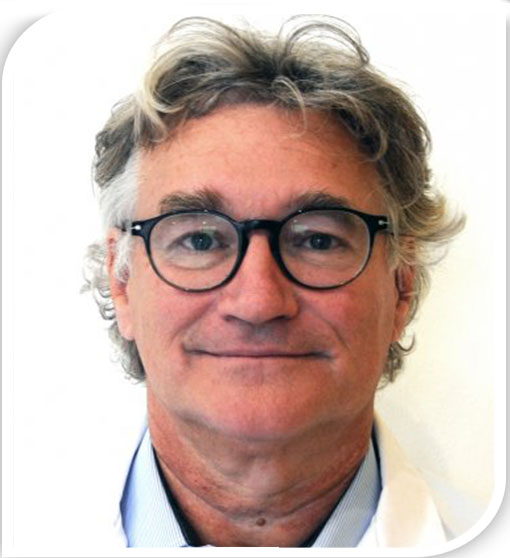 Prof. Alain Thierry from Montpellier Cancer Research Institute, INSERM, France will join the Targeting Mitochondria 2020 Congress which will be organized virtually and give a major presentation entitled "The Cell-free respiratory Competent Mitochondria in Blood: Strategic Role and Application".
The researchers used previous findings which showed that the plasma of a healthy individual contains up to 50,000 times more mitochondrial DNA than nuclear DNA. They hypothesized that for it to be detectable and quantifiable in the blood in this manner, the mitochondrial DNA had to be protected by a structure of sufficient stability. In order to identify such a structure, plasma samples from around 100 individuals were analyzed.
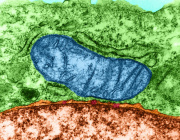
This analysis revealed the presence in the blood circulation of highly stable structures containing whole mitochondrial genomes. Following examination of their size and density, as well as the integrity of their mitochondrial DNA, these structures observed using electron microscopy (up to 3.7 million per ml of plasma) were revealed to be intact and functional mitochondria.
Read the complete news here: A New Blood Component Revealed
Targeting Mitochondria 2020 Congress
October 29-30, 2020
www.targeting-mitochondria.com
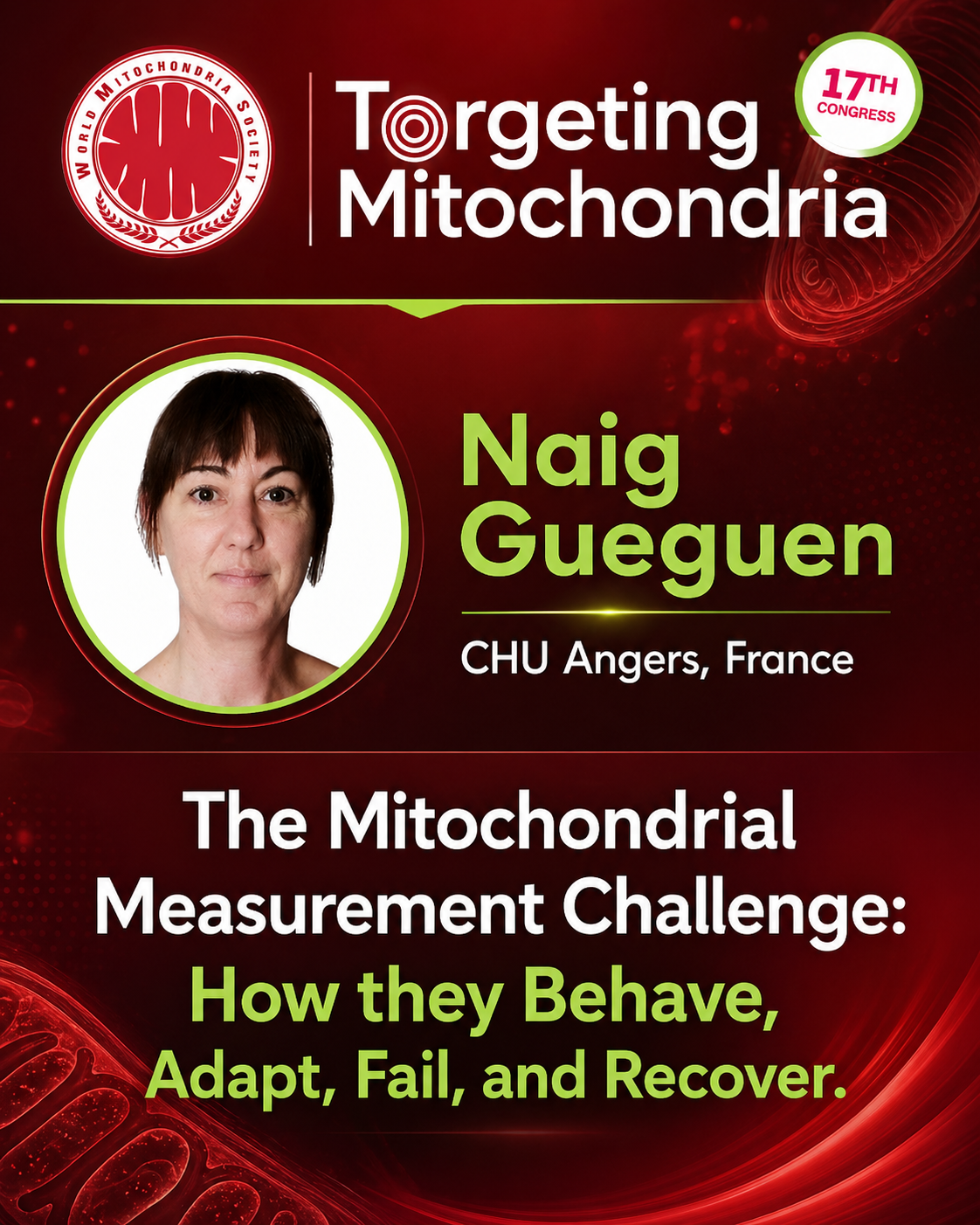
Mitochondria Devices: New Methods to Detect Mitochondria Dysfunction
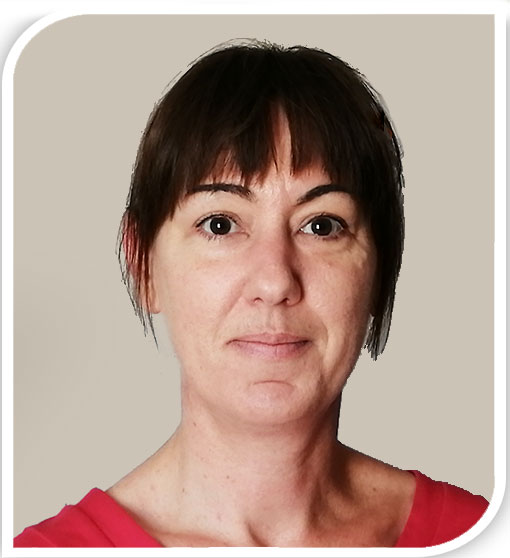 Dr. Naïg Gueguen from MitoVasc Institute, Angers University Hospital Center, France will give a presentation entitled "Mitochondria Devices: New Methods to Detect Mitochondria Dysfunction" during the Targeting Mitochondria 2020 Congress which will be organized virtually, on October 29-30, 2020.
Summary of the presentation: Alterations in bioenergetics metabolism represent a common clue in the pathogenesis of several diseases, including metabolic disorders, neurodegenerative disease, inflammatory conditions and cancer. Progress toward deciphering the precise role of the mitochondria in disease etiology requires tools and methods that can dissect the complex interplay between multiple enzymes and oxidative pathways that act cooperatively to regenerate ATP and sustain cellular biosynthesis needs. Recent developments in respirometry, coupled to fluorometry/luminescence, allow multiplexing measurements and provide now routine analyses of a variety of processes, including metabolic rewiring, substrate supply pathways, the activities of the different respiratory chain complexes, ATP synthesis or proton leak. In this context, the choice of the relevant experimental model and design are key elements for the identification and quantification of mitochondrial dysfunctions.
Targeting Mitochondria 2020 Congress
October 29-30, 2020 - Virtual Congress
www.targeting-mitochondria.com
Neurodegeneration and Mitochondria
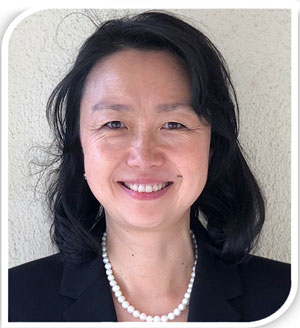
Prof. Ming Guo from UCLA David Geffen School of Medicine, USA will join the Targeting Mitochondria 2020 Congress which will be held in Berlin, Germany on October 29-30, 2020 and present her research during the talk entitled "Neurodegeneration and Mitochondria".
Summary of the Talk: Mitochondrial dysfunction has emerged as a common shared mechanism across multiple neurodegenerative disorders. This includes Parkinson’s disease, myopathy/frontotemporal dementia and ALS. The talk will discuss the latest research regarding these areas.
Targeting Mitochondria 2020 Congress
October 29-30, 2020 - Virtual Congress
www.mitochondria-site.com
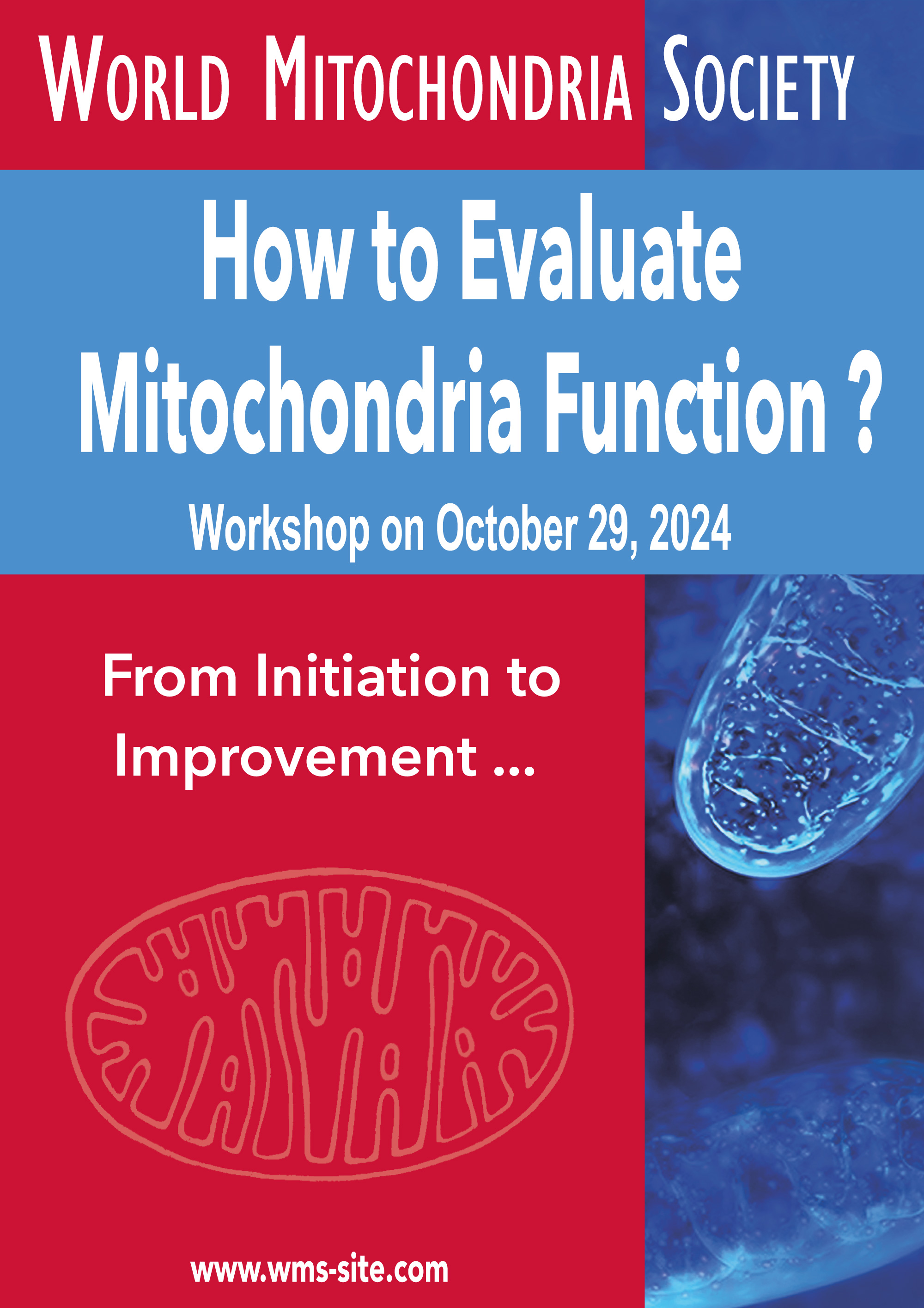
Online Workshop - How to Evaluate Mitochondria Function ?
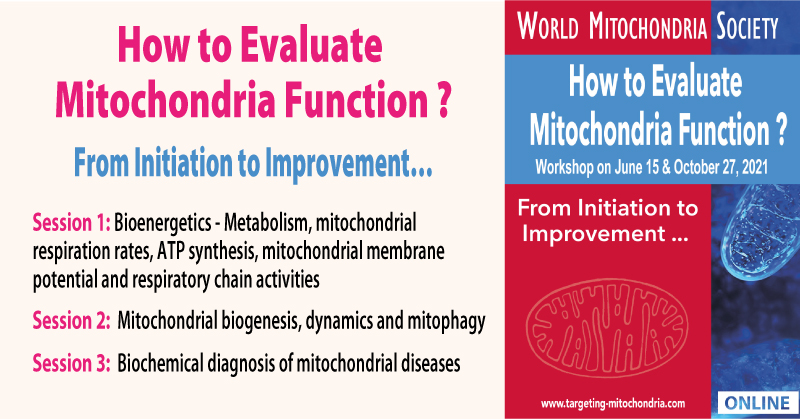
The aim of this workshop is to discuss the last advances in mitochondria assessment and evaluation. The workshop will be interactive and will be recorded.
if you wish to have a short talk during the workshop, please contact us.

Welcome to Targeting Mitochondria 2021
On behalf of the Scientific Committee of the World Mitochondria Society (WMS) we are excited to announce that the 12th Conference on Targeting Mitochondria for October 27-29, 2021 will be held as an Interactive Online Congress with live slots where many discussions and networking will unite all speakers, presenters and attendees.
On this occasion I would like to state frankly that the success of our virtual congress exceeded my expectations. From the numerous feedbacks we have received I can conclude that COVID-19 was unable to diminish our enthusiasm for the cell organelle we all revere so much. Even more, the special online format we chose seemed to have provided some unexpected benefits. For example, there was no Session Chair who had to enforce any schedule, which allowed for more extensive discussion sections as appreciated by many of us. Further, the availability of all conference contributions for an extended period of time was certainly also a very valuable feature of our 11th conference. Nevertheless, one of the most important aspects of any scientific meeting was missing, which is the personal interaction with colleagues from around the world, be it in the lecture hall, or during the coffee break or last but not least during our conference dinner. Therefore we all are very much looking forward to the next, the 12th edition of our conference series.
Independent on its format, any conference can only be as good as its speakers and its organizers. Knowing that the Organizing Committee under Prof. Marvin Edeas’ leadership will again excel in setting up the next conference, and knowing that the Scientific Committee will again invite key players in the field of Mitochondrial Medicine I assure anyone who is going to join us in this year's Interactive Online Congress on October 2021 that you won’t be disappointed, excellent interactive platform, again excellent speakers and again an excellent organization!
While we have just started working on the outline of our next conference edition, I believe that the overarching themes of our 12th World Congress on Targeting Mitochondria will not significantly deviate from topics discussed at preceding editions of our conference series. Again, we will focus on three major areas, which are first the role of mitochondrial dysfunction in etiology and pathogenesis of chronic diseases including aging, second how to assess and above all quantify mitochondrial dysfunction in vitro and in vivo and finally, third, how to target and manipulate mitochondrial function in order to develop future mitochondria-based therapies. However, we will also try to further extend the profile and scope of our conference by inviting researchers who have never participated in our meeting before, established and new investigators alike.
Basic scientists working at the bench in the laboratory, physicians treating patients suffering from mitochondrial disorders as well as representatives of companies working on the commercialization of mitochondria-targeted therapies are all welcome to our conference. We strongly believe that our 12th World Congress on Targeting Mitochondria will be at least as exciting and as successful as our virtual 11th conference. Please feel free to contact us at any time for further information and with questions you might have.
All our warmest regards.

Prof. Volkmar Weissig
President of the World Mitochondria Society
Midwestern University, USA
A Mitochondria-Targeted Caffeic Acid Derivative Reverts Cellular and Mitochondrial Defects in Human Skin Fibroblasts from Male Sporadic Parkinson’s Disease Patients
 Dr. Paulo J. Oliveira from University of Coimbra, Portugal will join the Targeting Mitochondria 2021 congress and will present a talk entitled A Mitochondria-Targeted Caffeic Acid Derivative Reverts Cellular and Mitochondrial Defects in Human Skin Fibroblasts from Male Sporadic Parkinson’s Disease Patients".
Dr. Oliveira highlighted: "We are developing a lead mitochondria-targeted hydroxycinnamic acid derivative with potential use in different diseases with a mitochondrial dysfunction component. This talk will focus on our recent study investigating the effects of our novel molecule on skin fibroblasts from sporadic Parkinson's Disease (PD) patients. Our data shows a positive impact of this molecule on mitochondrial function and redox signaling, paving the way to further in vivo studies to validate this molecule in a PD model".
Targeting Mitochondria 2021 Congress
October 27-29, 2021
Berlin, Germany & Virtual Congress
www.targeting-mitochondria.com
Patient-Specific Brain Organoids for Modeling Mitochondrial Diseases

Prof. Alessandro Prigione from, Heinrich Heine University (HHU), Germany will talk about "Patient-Specific Brain Organoids for Modeling Mitochondrial Diseases" during the congress which will be held on October 27-29, 2021 in Berlin & Online.
Mitochondrial diseases suffer from a lack of effective animal and cellular models. This hampers our understanding of the mechanisms underlying the neuronal pathology characteristics of mitochondrial diseases. Prof. Prigione used patient-derived induced pluripotent stem cells (iPSCs) and genome engineering with CRISPR/Cas9 to develop a human model of Leigh syndrome, which is the most severe mitochondrial disease in children and is currently incurable. Using neuronal cell cultures and three-dimensional brain organoids, he discovered previously unknown mechanisms causing the disease-specific neuronal defects, and identified two potential counteracting strategies for this rare mitochondrial disease with highly unmet medical need.
For more information about the article: https://www.nature.com/articles/s41467-021-22117-z
Targeting Mitochondria 2021 Congress
October 27-29, 2021
Berlin, Germany & Virtual Congress
www.targeting-mitochondria.com