
Stem cell-driven drug discovery of OXPHOS diseases
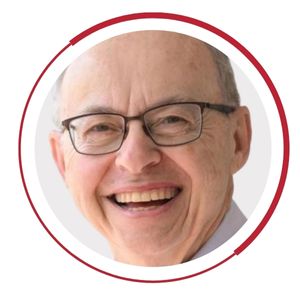
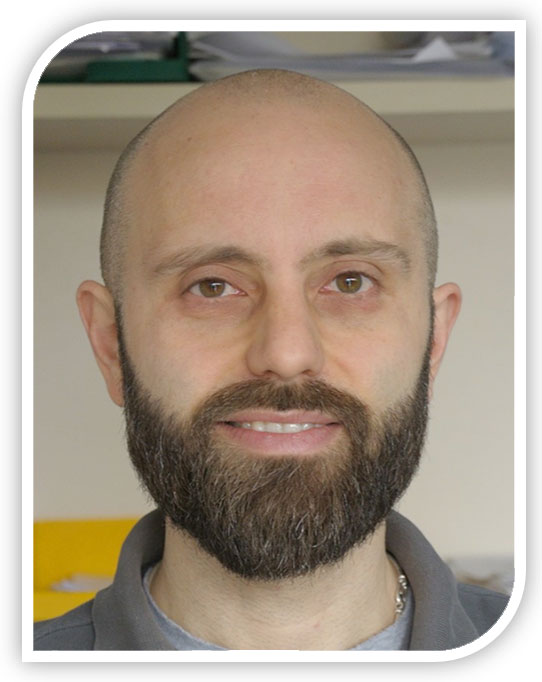 The Scientific Committee of WMS is honored to announce that Dr. Alessandro Prigione, Independent Team Leader, at the Max Delbrueck Center for Molecular Medicine, Germany, will be joining us for our 10th Anniversary Edition of Targeting Mitochondria World Congress, which will be held in Berlin on October 28th-29th, 2019.
In his presentation entitled "Stem cell-driven drug discovery of OXPHOS diseases", Dr. Prigione will discuss Mutations in the mitochondrial complex IV assembly factor SURF1, representing a major cause of Leigh syndrome (LS), a rare fatal neurological disorder. SURF1-deficient animals have failed to recapitulate the neuronal pathology of LS, hindering our understanding of the disease mechanisms. We generated induced pluripotent stem cells from LS patients carrying homozygous SURF1 mutations (SURF1 iPS) and performed biallelic correction via CRISPR/Cas9. In contrast to corrected cells, SURF1 iPS showed impaired neuronal differentiation. Aberrant bioenergetics in SURF1 iPS occurred already in neural progenitor cells (NPCs), disrupting their neurogenic potency. Cerebral organoids from SURF1 iPS were smaller and recapitulated the neurogenesis defects. Our data imply that SURF1 mutations cause a failure in the development of maturing neurons. Using NPC function as an interventional target, we identified SURF1 gene augmentation as a potential strategy for restoring neurogenesis in LS patients carrying SURF1 mutations.
For more information about Targeting Mitochondria 2019: https://targeting-mitochondria.com
Cardiac glycosides modulate neuroblastoma stem cell survival by dysfunctional mitophagy
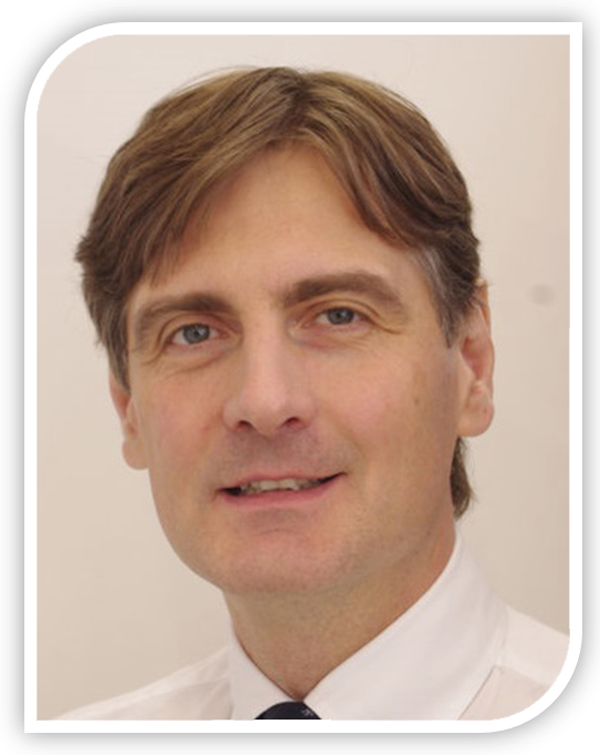 The Scientific Committee of WMS is honored to announce that Dr. Marc Diederich, from the College of Pharmacy, Seoul National University, Korea, will be joining us for our 10th Anniversary Edition of Targeting Mitochondria World Congress, which will be held in Berlin on October 28th-29th, 2019.
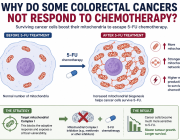
In his presentation entitled "Cardiac glycosides modulate neuroblastoma stem cell survival by dysfunctional mitophagy", Dr. Diederich will discuss the limiting factor to producing successful therapeutic outcomes in children with high-risk neuroblastoma, resistant to chemotherapeutic therapies. Therefore, a better characterisation of sensitive versus resistant neuroblastoma cell types is urgently required. Our previous research showed that the cardiac glycoside (CG) UNBS1450 (1,2) exerted its anti-cancer activity in neuroblastoma through an early induction of mitophagy in response to a mitochondrial stress response: whereas UNBS1450 rapidly promoted apoptosis in N-type (SH-SY5Y) cells, necroptosis was triggered in the more resistant S-type (SK-N-AS) cells at higher concentrations and later time points. In SH-SY5Y cells, reactive oxygen species generation triggered loss of Δψ and accumulation of mitochondria in phagophores/autophagosomes, suggesting impaired clearance of damaged mitochondria (3). Moreover, differential expression of p53, stem cell homeostasis, and pluripotency recently gained interest in neuroblastoma research. Here, we aimed at identifying critical determinants of the differential sensitivity towards UNBS1450 in neuroblastoma cells to improve prediction of the treatment response. First, we selected the most sensitive neuroblastoma cell subtype based on p53 and neuroblastoma CSC marker expression levels. Second, in the most sensitive subtype, we further aimed at assessing mitochondrial quality control mechanisms to identify mitochondrial biomarkers of UNBS1450 efficacy.
For more information about Targeting Mitochondria 2019: https://targeting-mitochondria.com
Mitochondrial Transplantation - From Animal Studies to Clinical Relevance
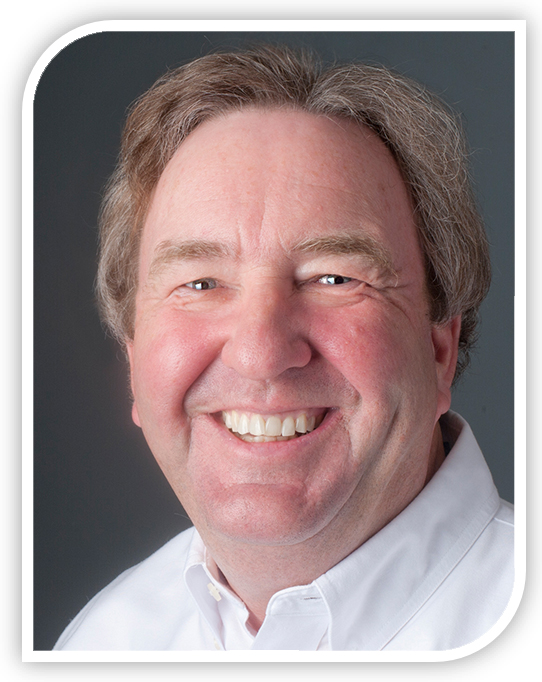 The Scientific Committee of WMS is honored to announce that Dr. James McCully, from the Harvard Medical School Department of Cardiac Surgery Boston Children’s Hospital, USA, will be joining us for our 10th Anniversary Edition of Targeting Mitochondria World Congress, which will be held in Berlin on October 28th-29th, 2019.
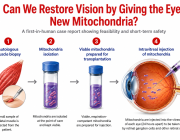
In his presentation entitled "Mitochondrial Transplantation - From Animal Studies to Clinical Relevance", Dr. McCully will share his studies using a novel therapy for cardioprotection based on mitochondrial transplantation. This approach uses replacement of native mitochondria damaged by ischemia/reperfusion injury with viable, respiration-competent mitochondria isolated from non-ischemic skeletal muscle tissue, obtained from the patient’s own body. Dr. McCully will provide results and insight from ischemia/ reperfusion protocols in regionally ischemic animal heart models and from a Phase 1 clinical trial in pediatric patients requiring institution of extracorporeal membrane oxygenation support.
For more information about Targeting Mitochondria 2019: https://targeting-mitochondria.com
Mitochondria-targeted low-molecular weight compounds for probing mitochondrial function
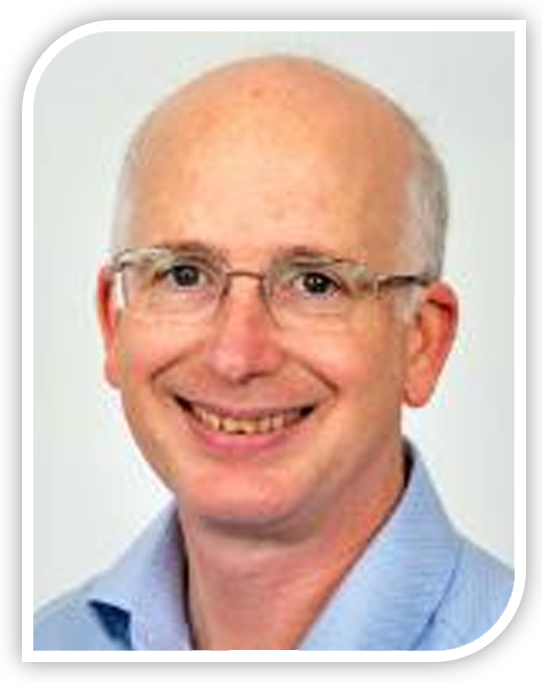 The Scientific Committee of WMS is honored to announce that Prof. Richard C. Hartley, Professor of Chemical Biology from University of Glasgow, United Kingdom, will be joining us for our 10th Anniversary Edition of Targeting Mitochondria World Congress, which will be held in Berlin on October 28th-29th, 2019.
During the Congress Prof. Richard C. Hartley will speak about "Mitochondria-targeted low-molecular weight compounds for probing mitochondrial functions".
The Hartley group specializes in designer small molecules targeted to accumulate in the mitochondrial matrix. These can be used both to detect and manipulate mitochondrial redox processes. Examples include compounds for mitochondrial superoxide detection (MitoNeoD) and generation (MitoPQ), for selective depletion of mitochondrial antioxidant defences (MitoCDNB), and for mitochondrial protection (MitoGamide). Synthetic chemicals can also be used to mimic mitochondrial signaling and modulate inflammatory responses (octyl itaconate).
For more information about Targeting Mitochondria 2019: https://targeting-mitochondria.com
The brain MITOxy project : from mitochondria to proteases and reactive species interactome
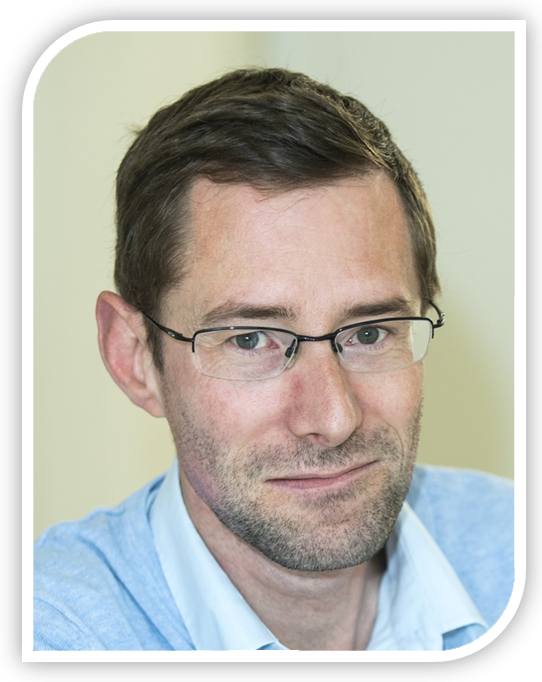 Dr. Laurent Chatre from CNRS, University of Caen-Normandie, France will join Targeting Mitochondria 2019 congress.
Dr. Chatre will discuss our current studies on the relationship between mitochondria, serine proteases and the reactive species interactome (RSI) in normal and pathological conditions related to hypoxia in the brain.
For more information about Targeting Mitochondria 2019: https://targeting-mitochondria.com
Cannabinoids and skin: The "C(ut)annabinoid" system as a novel player in regulating cutaneous mitochondrial biology by Dr. Oláh
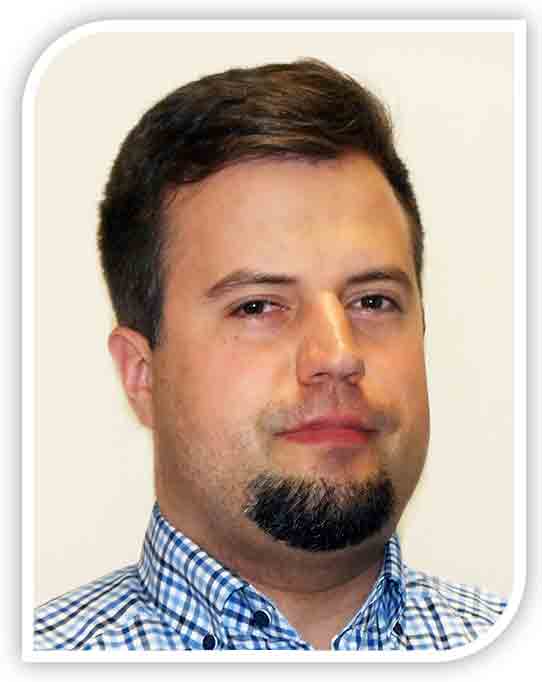
During the specical session dedicated to the Mitochondria and Skin, Dr. Attila Oláh from University of Debrecen, Hungary will give a presentation entitled "Cannabinoids and skin: The "C(ut)annabinoid" system as a novel player in regulating cutaneous mitochondrial biology".
According to Dr. Oláh:
Although the mitochondrial biology of the skin is a relatively less-studied area of the field, a growing body of evidence suggests that it is profoundly involved in the regulation of several aspects of cutaneous physiology, including, but not limited to hair growth, epidermal differentiation and (photo) aging. The current talk intends to provide a brief overview of recent literature data with promising translational potential, and to highlight the potential role of the cutaneous cannabinoid (“C(ut)annabinoid”) system in controlling mitochondrial activity in the skin.
For more information about Targeting Mitochondria 2019: www.targeting-mitochondria.com

Mitochondria and Skin: Mitochondria in Wound Healing
 During Targeting Mitochondria 2019, a Special session will be dedicated to Mitochondria, Metabolism and Skin.
One of the speakers of this session is Dr. Jakob Wikström from Karolinska University Hospital, Sweden and present his research work entitled "Mitochondria and Skin: Mitochondria in Wound Healing".
Dr. Jakob Wikström: "Healing of common chronic skin leg ulcers in the elderly requires ATP to regenerate lost tissue. While wound oxygen treatment has been investigated in depth the role of the oxygen recipient – mitochondria – has gotten little attention. Here we present our results on the role of mitochondria in human wound healing".
For more information about Targeting Mitochondria 2019: www.targeting-mitochondria.com
Mitochondrial damage and renewal in Wilson disease will be presented by Prof. Hans Zischka
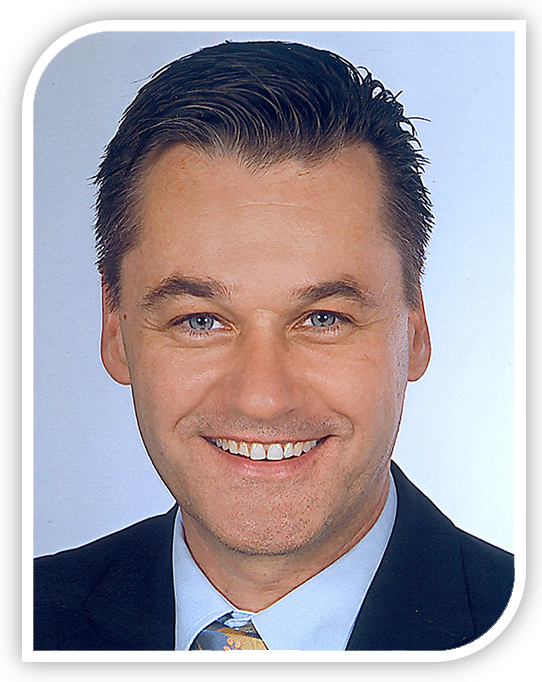
Prof. Hans Zischka from Institute of Molecular Toxicology and Pharmacology, Germany will speak about "Mitochondrial damage and renewal in Wilson disease".
Wilson disease (WD) is a hereditary defect in the metabolism of copper. Here, the liver is unable to eliminate excess copper causing its accumulation primarily in liver and brain. In neurons and hepatocytes, a rising copper overload particularly damages their mitochondria. However, sometimes years pass before cell death occurs, suggesting the possible existence of intracellular protective mechanisms that can counteract such mitochondrial poisoning.
Prof. Zischka examined cell cultures from WD patients but also WD rodent models for their reaction to copper.
He observed that the hepatocytes reacted to copper overload with an intensification of the mechanisms support autophagy. Particularly, the copper-overloaded mitochondria are affected by this process (in this case called mitophagy). However, mitophagy helps only up to a certain level of copper overload and other treatments need to be employed to avoid cell death. Nevertheless, these results demonstrate the potential for cell regeneration resulting from auto-/mitophagy, which could be also relevant for other disorders that arise or are paralleled by cell-toxic metal accumulations.
For more information about Targeting Mitochondria 2019: www.targeting-mitochondria.com