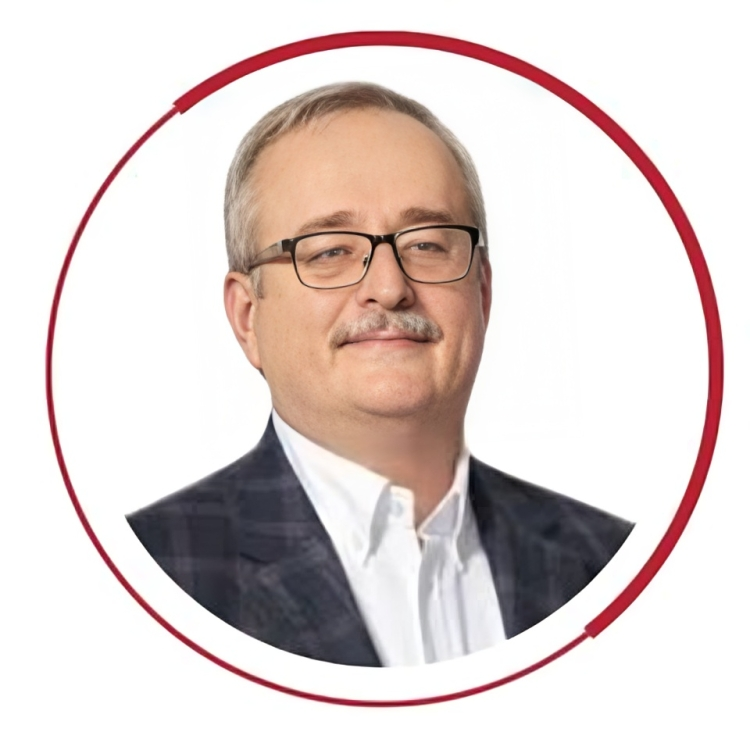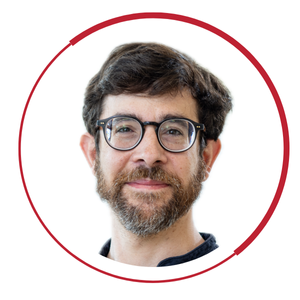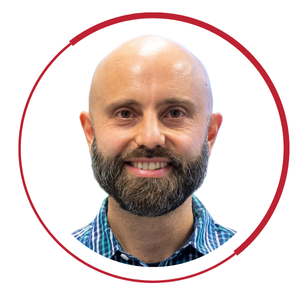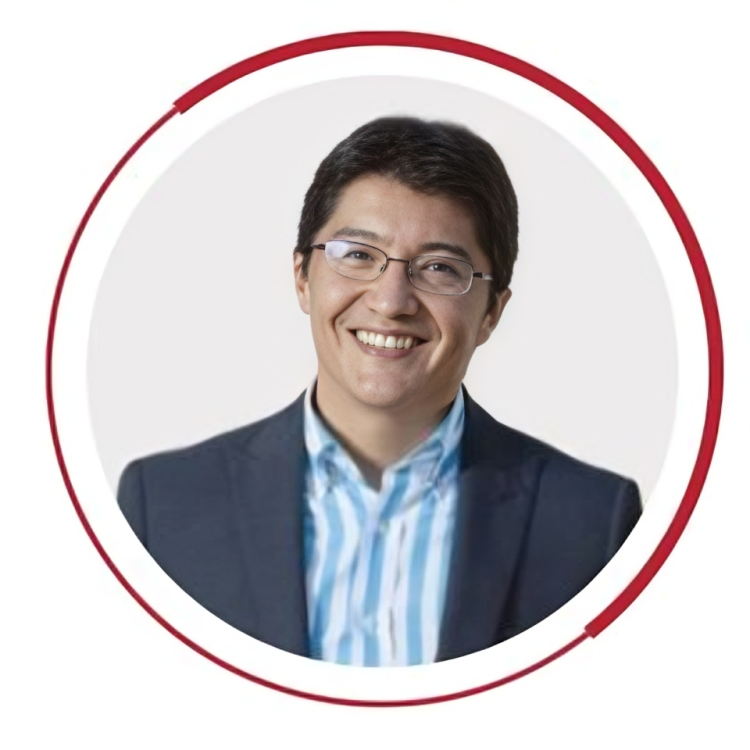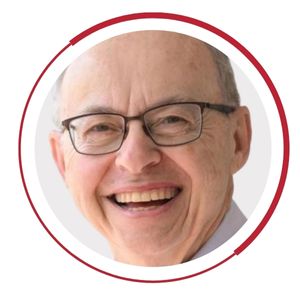

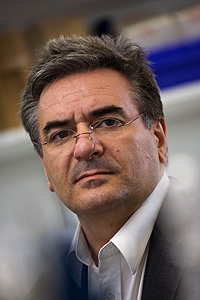
Pr Luis Vitetta, from Sydney University will talk about Reactive oxygen species and their lifelong regulation of the metabolome
 The production of reactive oxygen species and reactive nitrogen species has long been proposed as leading to the random deleterious modification of macromolecules with an associated progressive development of age associated systemic disease. Superoxide anion (and hydrogen peroxide) and nitric oxide (and peroxynitrite) constitute regulated prooxidant second messenger systems, with specific sub-cellular locales of production and are essential for normal metabolome and physiological function.
Pr Vitetta's team has posited that the formation of superoxide anion/hydrogen peroxide and nitric oxide do not conditionally lead to random macromolecular damage. Under normal physiological conditions their production is actually regulated that is very much consistent with their second messenger roles. The role of these second messengers in the regulation of the metabolome is discussed in terms of radical formation as an essential contributor to the physiologically normal regulation of sub-cellular bioenergy systems; proteolysis regulation; transcription activation; enzyme activation; mitochondrial DNA changes; redox regulation of metabolism and cell differentiation.
Furthermore the concept that orally administered small molecule antioxidant therapy to abrogate free radical activity is a chimera. Hence as such they consider that free radicals are not a major overwhelming player in the development of the chronic diseases or the aging process.
You can know more about this study by joining Targeting Mitochondria World Congress.
For more information: www.targeting-mitochondria.com
Mining the gut microbiome for novel mitochondrial therapeutics: A strategic Presentation by Pr Anurag Agrawal

During the 6th World Congress on Targeting Mitochondria, Pr Anurag Agrawal from CSIR Institute of Genomics and Integrative Biology, India will discuss about a strategic topic: "Mining the gut microbiome for novel mitochondrial therapeutics".
He will highlight the following points:
- Mapping the gut microbial reactome to mitochondrial metabolism
- The strange case of PQQ
- Effects of common gut metabolites on mitochondrial function
If you would like to access to the complete program of Targeting Mitochondria 2015: www.targeting-mitochondria.com
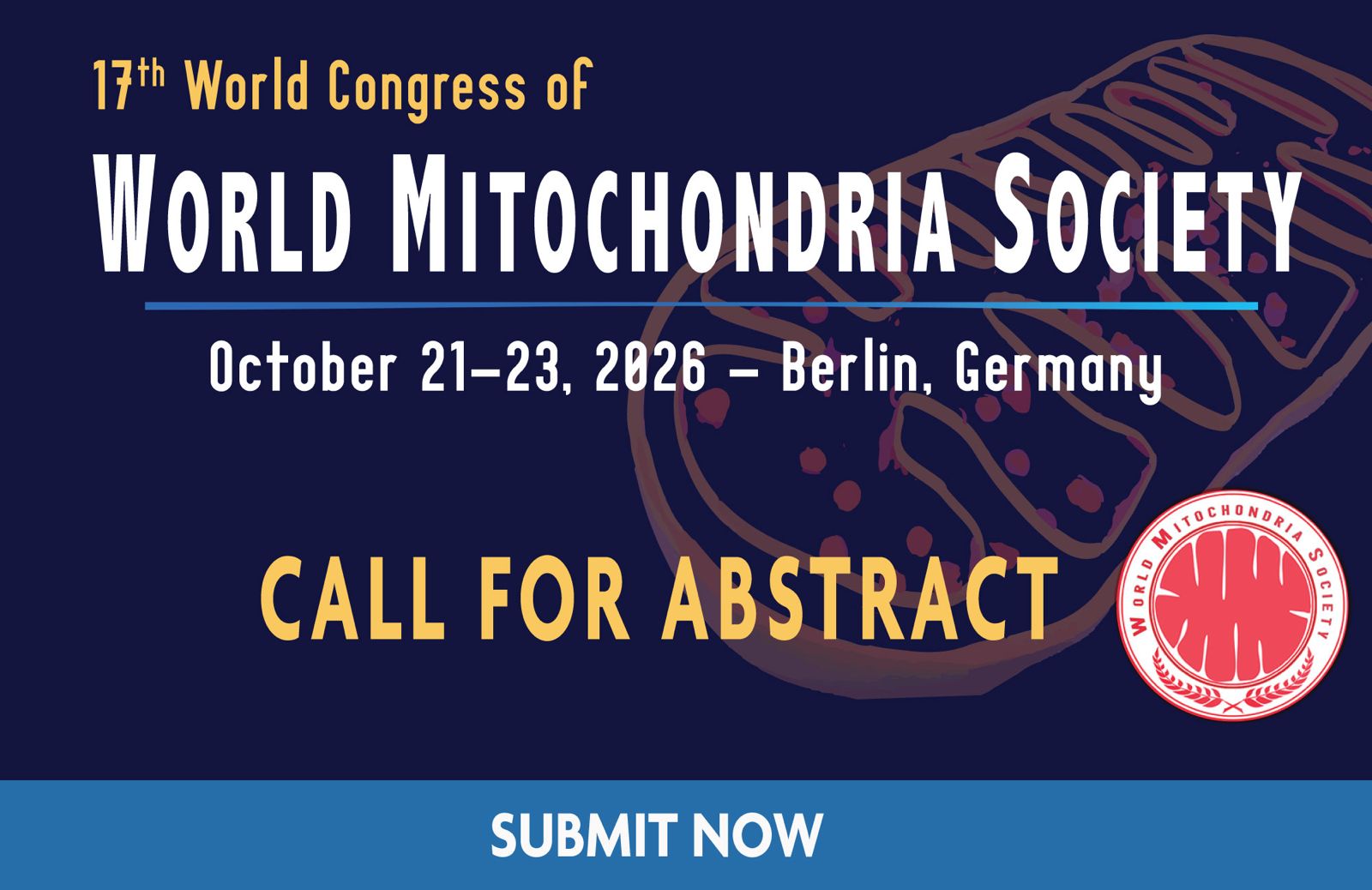
Abstract Submission
Submission Deadline for Short Oral Presentation:
September 30, 2026
Submission Deadline for Poster Presentation:
October 9, 2026
How to Submit
- Abstracts must be submitted to via Online Abstract Management Systems.
- Submissions sent by email or in another format will not be considered.
- Each registered participant may submit one abstract only.
- For oral presentations, in-person participation is preferred. Online oral presentations require prior approval.
- Online posters (e-posters) are accepted.
- Please note that no changes are possible after the submission deadline, and abstracts cannot be modified once accepted.
Abstract Format
- Title: maximum 20 words
- Text: maximum 200 words, structured as:
- Introduction
- Materials & Methods
- Results
- Conclusion
- Please define any unusual abbreviations the first time they appear.
- Clearly indicate the conference track or session related to your abstract.
- You may include up to 3 references
- Abstracts must be submitted in both Word and PDF formats, prepared in B5 format.
Download the abstract template: Word | PDF
Abstracts that do not follow these guidelines will not be reviewed.
Review & Selection Process
All submissions will be reviewed by the Scientific Committee and scored based on originality, novelty, and scientific impact (score from 1 to 10).
- Scores 9–10: considered for short oral presentation
- Scores 6–8: accepted as poster presentation
- Abstracts that are low quality or outside the scope of the congress may be rejected.
Short Oral Presentations
- Presentation time: 7 minutes
- Discussion: 3 minutes (Q&A)
- Slides: maximum
- Content should clearly cover:
1. Aim of the research
2. Materials & methods
3. Results
4. Conclusion
Timing may be slightly adjusted depending on the final program.
Poster Sessions
- Posters will be presented during the breaks.
Format: A1 vertical
- Height: Height: 84.1 cm
- Width: 59.4 cm
- E-posters (for online posters) must be sent by email to: mitochondria[at]wms-site.com
Who will attend Targeting Mitochondria World Congress 2015 from Industries & Academics?
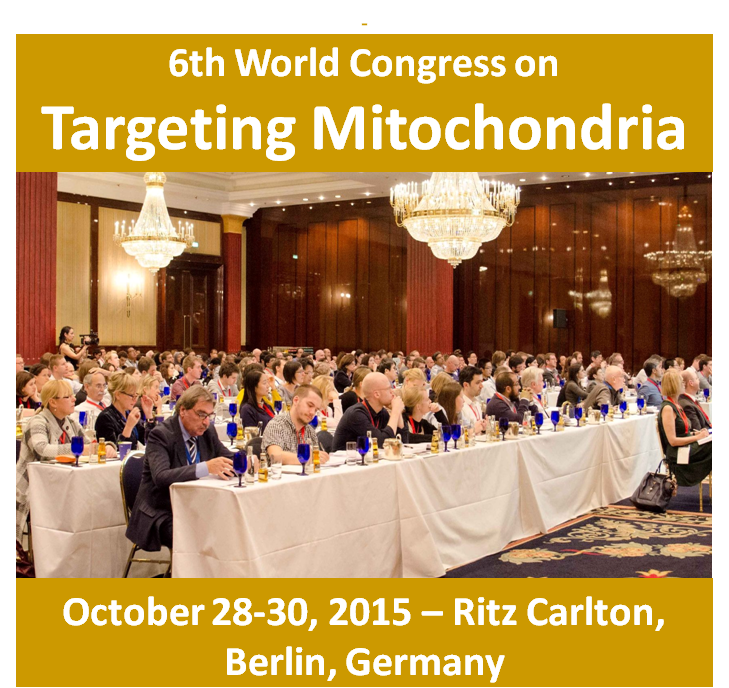
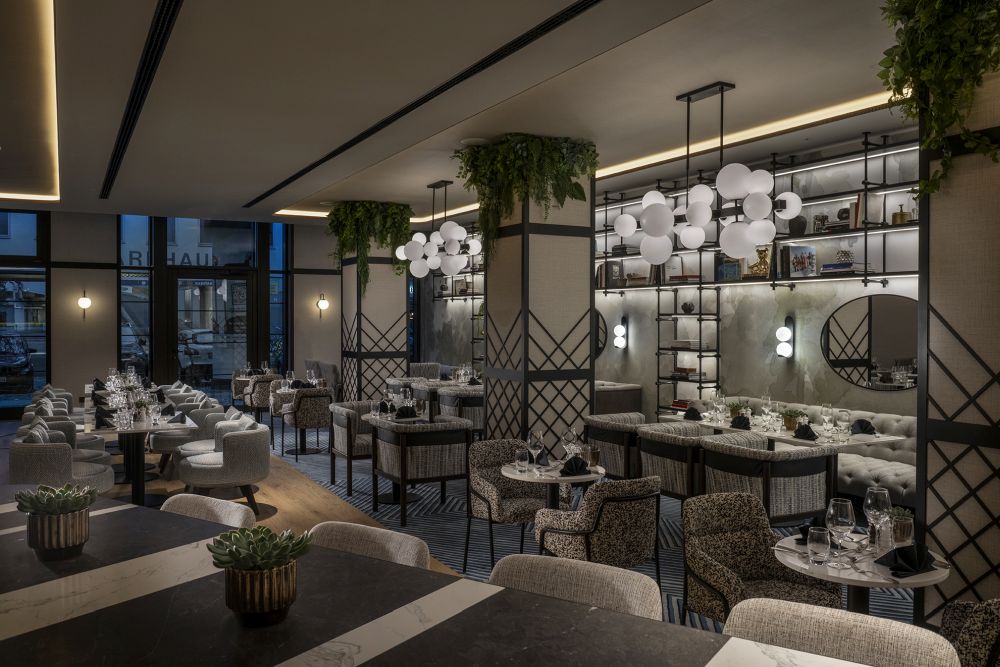
The sixth edtition of the World Congress on Targeting Mitochondria will gather academics and industrial leaders in the field of mitochondria research during three days (October 28 to 30) at Ritz Carlton, Berlin.
Among the industrial participants:
Neurovive, Seahorse, Photonics Healthcare, Mitologics, Glaxosmithkline, Unifarco, Bayer Pharma, Poxel, Dainippon Sumitomo Pharma, Novartis Institute for Biomedical Research, Thermo Fisher Scientific, Novartis Institutes for Biomedical Research, Selcia, Sanofi, Daiichi Sankyo, Biomedical Centre Speyer, Astellas Pharma Europe, Pierre Fabre Dermo-Cosmetique...
Among the academic participants:
Harbin Medical University, Universidad Nacional Autonoma De Mexico, Institute of Biotechnology, Université de Sherbrooke, Columbia University, Instituto de Bioquimica Vegetal y Fotosintesis, Universitätsmedizin Greifswald, University of Veterinary Medicine Vienna, Centre Hospitalier de Luxembourg, Neurologische Universitätsklinik Der Otto-Von-Guericke Universität Magdeburg, University of Pecs, Karolinska Institutet, Leibniz Institut für Neurobiologie, Helmholtz Zentrum München, Moscow Clinical and Research Institute of Pediatrics, University of Aberdeen, L. Boltzmann Institute for Experimental and Clinical Traumatology, CSIR Institute of Genomics and Integrative Biology, University of Tennessee Health Science Center, Ernst Moritz Arndt University of Greifswald,CNRS, Mcgill University, National Inst of Health, University of Leipzig,Universidad Nacional Autónoma de México Unam, Telethon Kids Institute, LCSB, Georgia Regents University, University of Southern California, University of Southampton, University Hospital Essen, Children Hospital Bambino Gesù, Ukh Neurologie, Kings College London, Institute of Liver Studies, Universidad Nacional De Colombia, University of Buenos Aires, Universität Leipzig, Max Planck Institute of Molecular Cell Biology and Genetics, University Leipzig, Aarhus University, Departement of Intensive Care Medicine, Johns Hopkins University, University of Oxford, University of Edinburgh, Chuv-Unil, Department of Pharmaceutical Sciences, College of Pharmacy-Glendale, Midwestern University, University of Warwick, Ulm University, University of Missouri - Kansas City, Beijing Institute for Drug Control, University of Zurich, Fundacion Ramon Dominguez,Polytechnic University of Marche, Max Planck Institute of Colloids and Interfaces, University of Manchester, University of Calgary, Albstadt-Sigmaringen University, Albstadt-Sigmaringen University of Applied Sciences, The University of Liverpool, King's College London, Samsung Medical Centre Ssk University, Weill Medical College of Cornell University, SRUC, Federal State Budgetary Institution "Scientific Centre of Children Health", Friedrich-Alexander University Erlangen-Nürnberg, University Hospital Erlangen, University of Aberdeen, University of Veterinary Medicine, Vienna, INSERM, Fondazione Cuoa, Max Planck Institute of Psychiatry, Midwestern University, University of Edinburgh, Psychiatric Practice, First Faculty of Medicine, Charles University and General University Hospital In Prague, University of Melbourne, Cellex-Idibaps, Mossakowski Medical Research Centre, Pas, University of Toronto, Sapir College, Department of Pathophysiology, Beijing Neurosurgical Institute, Capital Medical University, Beijing Neurosurgical Institute, University College London, Institute of Theoretical and Experimental Biophysics, Russian Academy of Sciences, Pushchino, Russia, Stockholm University, Tokai University, University of Veterinary Medicine, Laboratory of Food and Regulation Biology, Graduate School of Agriculture, Tokai University, Technion-Israel Institute of Technology, Netherlands Institute for Neuroscience, University of Bath, Institute of Neurology/ University Medical Center Ulm, Ludwig Boltzmann Institute for Experimental and Clinical Traumatology, New York University, University Hospital North Norway, University of Helsinki, Wayne State University, University of Warsaw, University of Freiburg, Colorado Mesa University, Ilia State University, Sifa University, Université Perpignan, Universidad De Valencia, Mediterranean Institute for Life Sciences, Martin-Luther University Halle-Wittenberg, The George Washington University School of Medicine, Institute of General Pathology and Pathophysiology...
If you would like to register, please follow this link.
For more information about Targeting Mitochondria World Congress 2015: www.targeting-mitochondria.com
Berlin will host the largest conference dedicated to Mitochondria
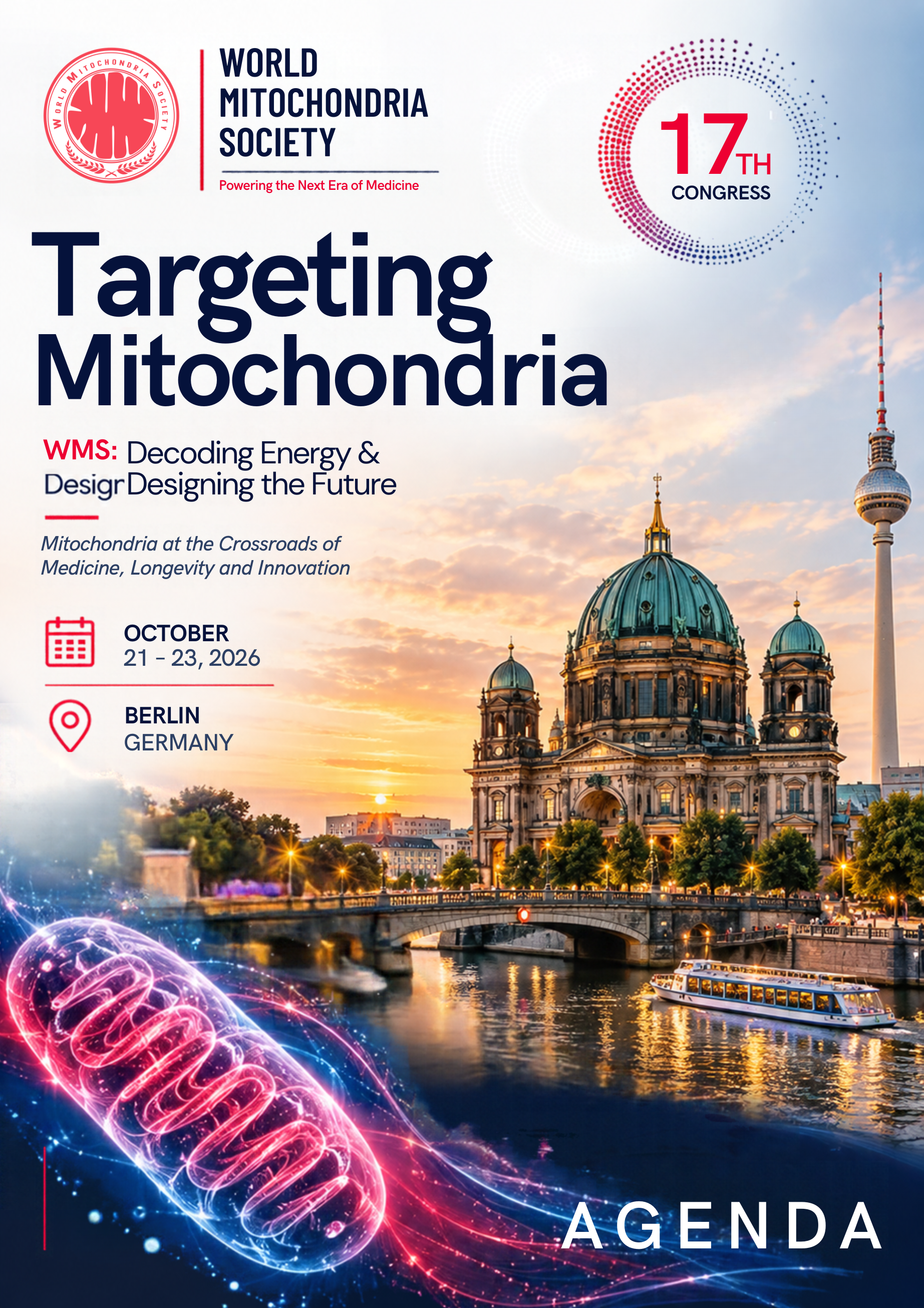
6th WMS Congress on Targeting Mitochondria
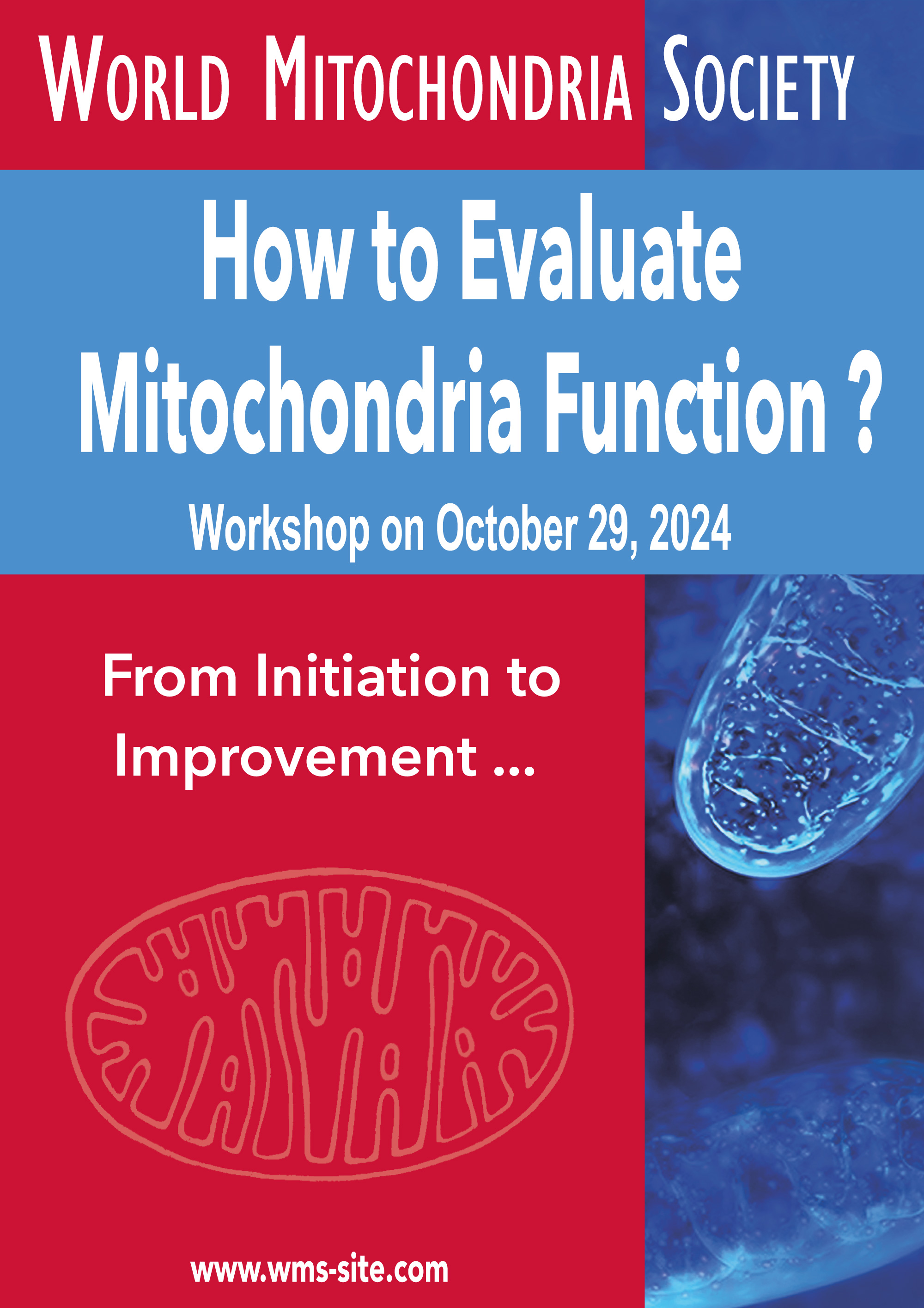
WMS Workshop on How to Evaluate Mitochondria Function & Dysfunction?
October 28-29-30, 2015 - Hotel Ritz Carlton, Berlin
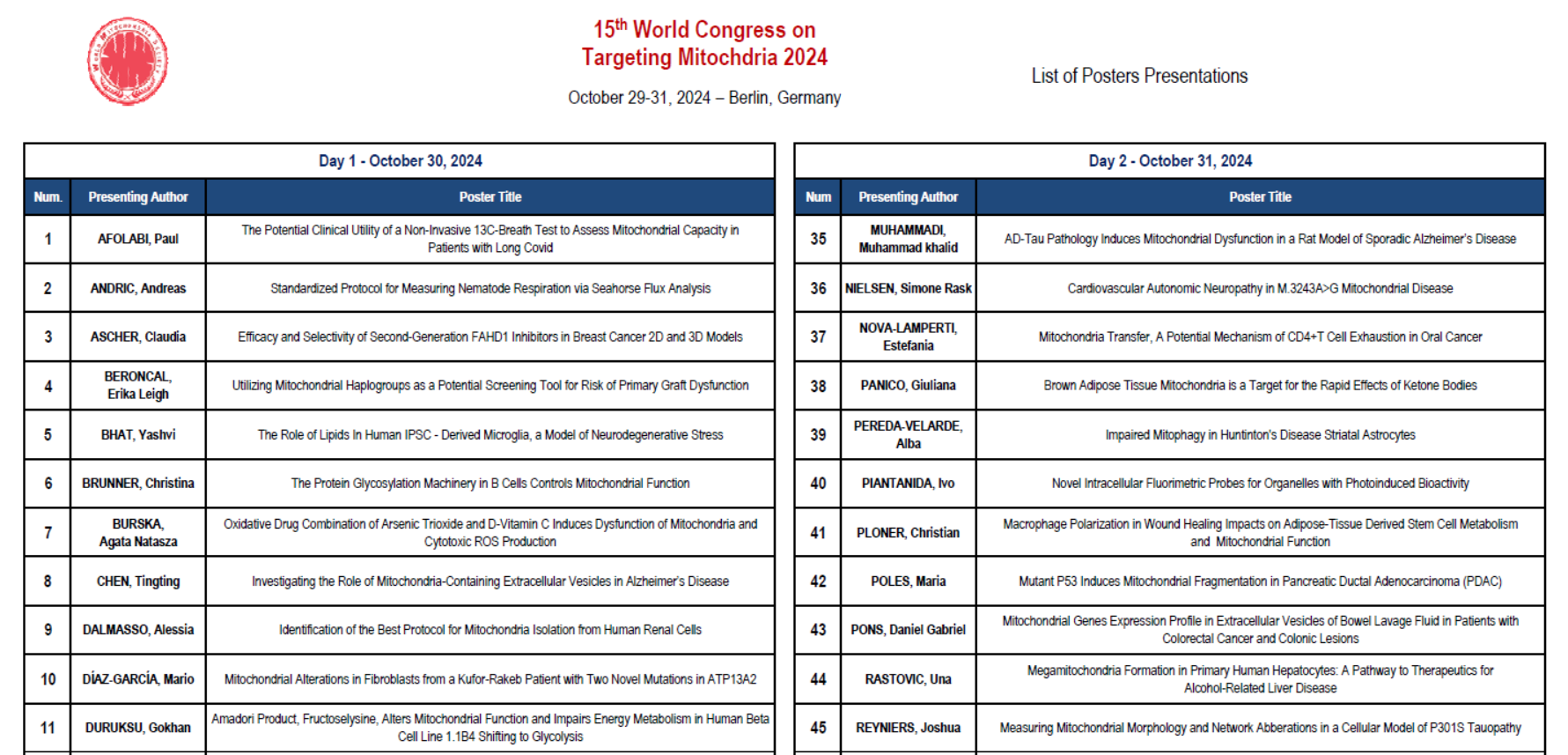
The WMS scientific committee announced the publication of the final agenda and the list of abstracts accepted for oral and poster presentation.
To access to the program, please follow this link.
Who is attending the sixth WMS congress?
Berlin will host an elite group of academic and industrial experts from leading life sciences, pharmaceutical, cosmetics and biomarkers evaluation companies seeking to exchange knowledge and share ideas ranging from basic science to latest discoveries and innovations around of mitochondria.
To access to the list of universities and companies attending the congress, please follow this link.
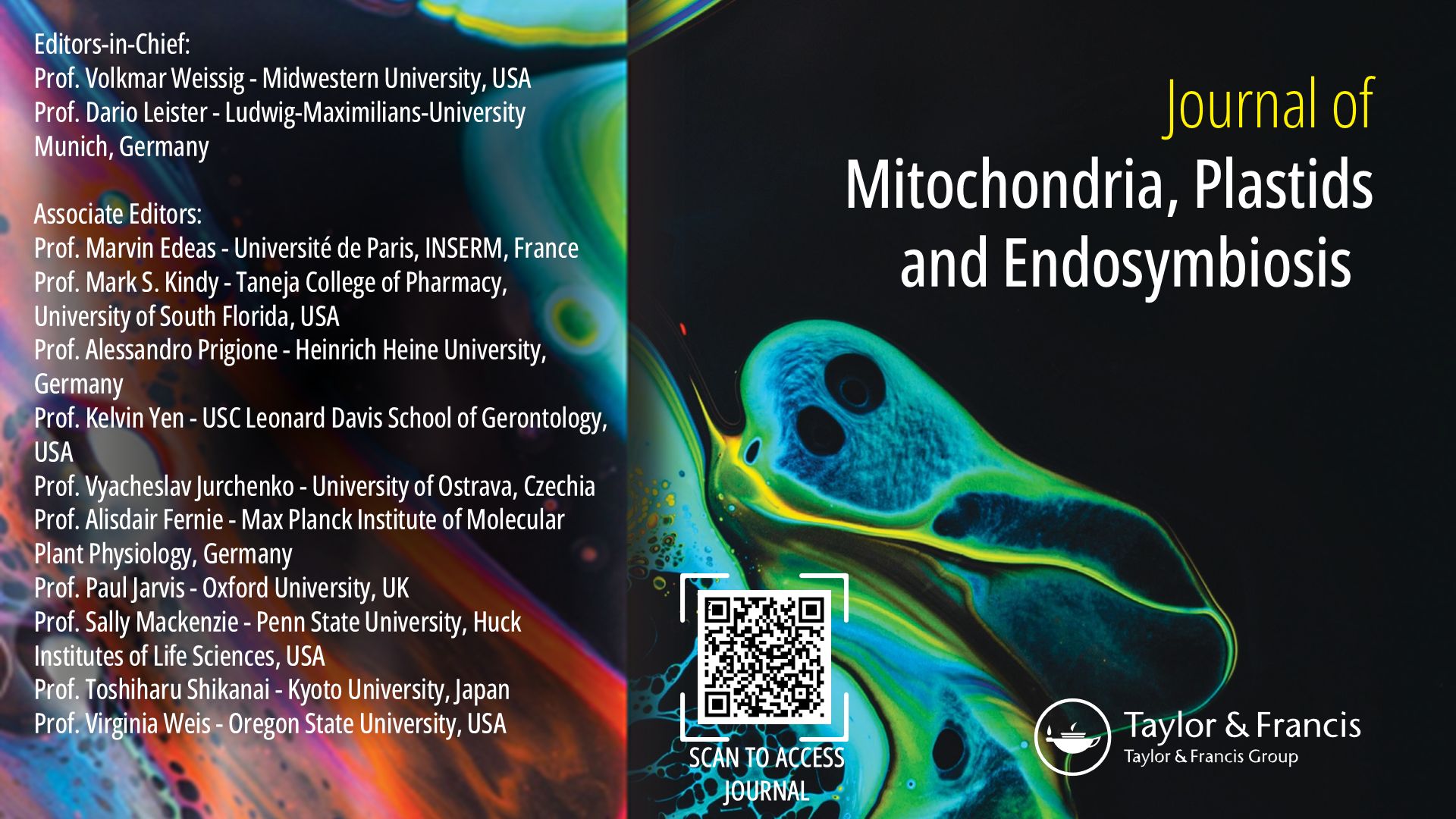
The scientific committee of WMS will present the JWMS Journal during Berlin conference.
The Editorial Board of JWMS will be selected among speakers and members of WMS. You can submit your paper online.
We look forward to welcoming you in Berlin.
Volkmar Weissig
World Mitochondria Society
www.targeting-mitochondria.com
The World Mitochondria Society awarded Poxel for its results about Imeglimin, a new mitochondria-targeted agent for type 2 Diabetes treatment
POXEL SA, a biopharmaceutical company developing innovative drugs to treat type 2 diabetes today presented some preclinical data on Imeglimin, the Company’s first-in-class oral anti-diabetic agent, at the 6th World Congress on Targeting Mitochondria held October 28-30, 2015, in Berlin, Germany.
Imeglimin has been proven to have a beneficial effect on both insulin sensitizing and insulin secretion defects in type 2 diabetes. The new data demonstrate the drug candidate’s positive impact on the mitochondrial respiratory chain, providing critical insights to Imeglimin’s molecular mechanism of action. “These results clearly demonstrate Imeglimin’s innovative mechanism of action and illustrate the benefits of targeting the mitochondria to treat type 2 diabetes,” said Sébastien Bolze, Ph.D., EVP Non-Clinical Development and CSO of Poxel. ”Our data confirm again that Imeglimin’s profile is unique among current anti-diabetic agents.”
About Poxel
Poxel uses its unique development expertise in metabolism to advance a pipeline of truly novel products currently focused on type 2 diabetes. Our first-in-class lead product, Imeglimin, targeting mitochondrial dysfunction, has successfully completed Phase 2 development in the US and EU and has entered clinical development in Japanese subjects. We are advancing our second program, PXL770, a direct AMPK activator, through clinical proof-of-concept. We will generate further growth through strategic partnerships and pipeline development.
Antioxidants cause malignant melanoma to metastasize faster: Pr Martin Bergö was awarded by WMS Committee
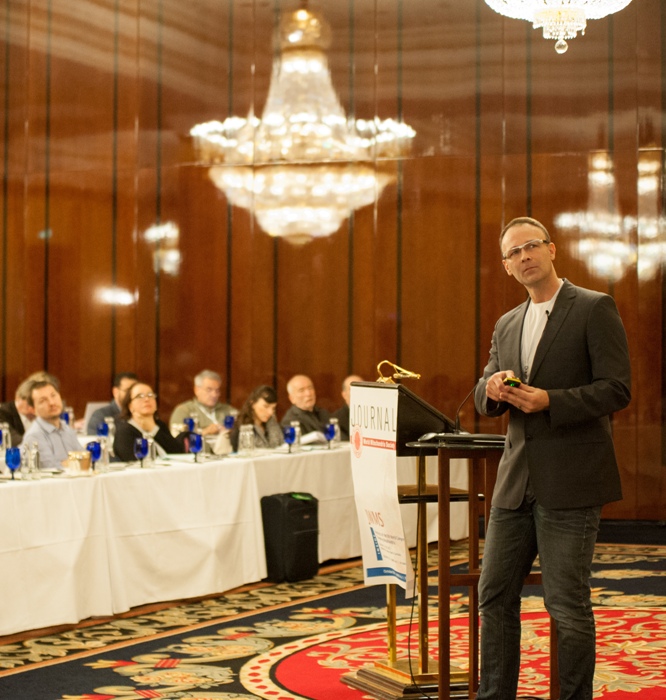 Pr Martin Bergö, from Sahlgrenska Cancer Center in Sweden gave a strategic talk about the impact of antioxidants supplementation on malignant melanoma progression during Targeting Mitochondria World Congress 2015 which was awarded by the scientific committee of the World Mitochondria Society.
Pr Bergo's team has found that antioxidants can double the rate of melanoma metastasis in mice. The results reinforce previous findings that antioxidants hasten the progression of lung cancer. According to Professor Martin Bergö, people with cancer or an elevated risk of developing the disease should avoid nutritional supplements that contain antioxidants.
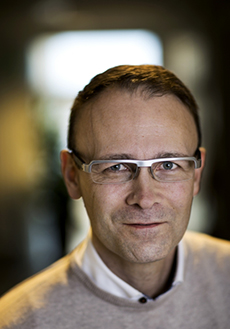
According Pr Bergo: "Cancer is a genetic disorder driven by oncogenic mutations, and DNA damage caused by reactive oxygen species (ROS) is part of the underlying mechanism. Since ROS levels are kept in check by antioxidants, a widely accepted dogma is that dietary supplements containing high concentrations of antioxidants protect against cancer. However, clinical trials have not supported this view, and some even showed that antioxidants increase cancer risk".
For more information about Targeting Mitochondria World Congress: www.targeting-mitochondria.com
For more information about Pr Bergo's study, please follow this link.
The Awards for Short Oral & Poster Presentations were discerned during Targeting Mitochondria World Congress
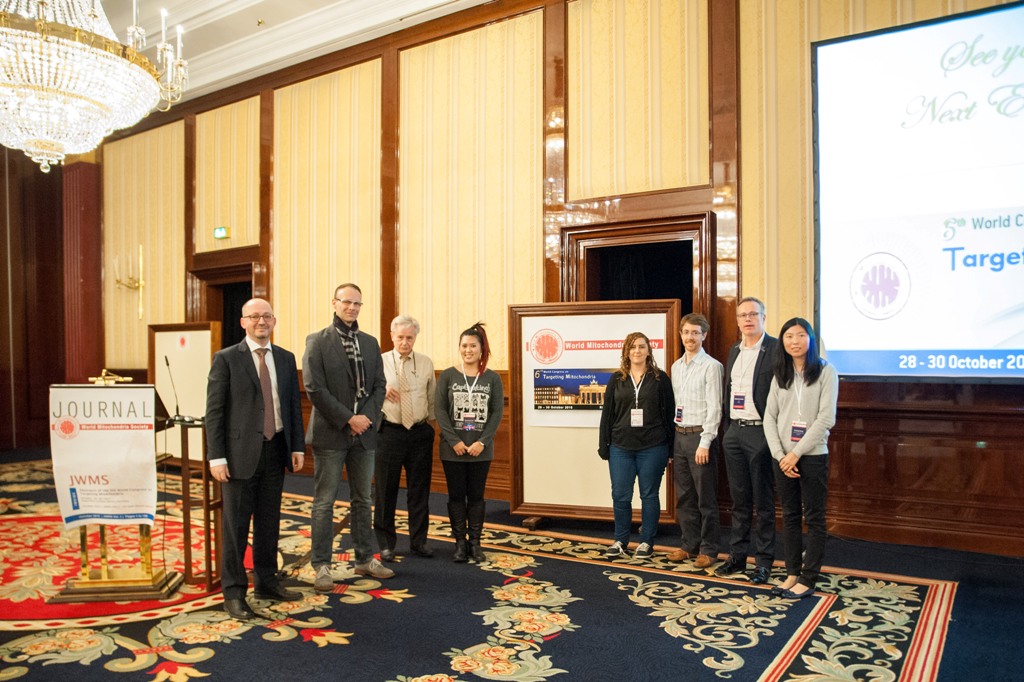
On behalf of the Scientific Committee, we congratulate all scientists for their short oral & poster presentations during Targeting Mitochondria 3-days congress.
The Scientific Committee discerned different awards:
The Scientific Contribution Award was discerned to Pr Martin Bergö from Sahlgrenska Cancer Center, Sweden for his researches about antioxidants in cancer.
More information by clicking here.
3 Awards for short oral presentation were discerned to:
- Dr Yuning Hong from University of Melbourne, Australia, for his presentation about Novel Fluorescent Probes for Visualizing Cell Structures and Function
- Dr Martin Picard from Columbia University, USA for his presentation about Inter-organelle communication via specialized mitochondrial synapse
- Dr Sébastien Bolze from Poxel, France for his strategic presentation about Imeglimin, a new mitochondria-targeted agent for type 2 diabetes treatment
2 awards were discerned for the best Poster Presentations:
- Mrs Ifat Cohen-Erez, from Ben Gurion University, Israel for her poster about Co-assemblies of the Anionic Polypeptide γ-PGA and Cationic β-sheet Peptides for Drug Delivery to Mitochondria
- Dr Genevieve Syn from Telethon Kids Institute, USA, for her poster presentation about Toxoplasma Gondii infection results in disruption of the host mitochondria.
If you would like to access to these abstracts and all the abstracts presented during the congress, you can order by abstracts book by clicking here.
For more information about Targeting Mitochondria World Congress: www.targeting-mitochondria.com