
From Powerhouse to Prescription: Hazel H. Szeto Joins the WMS As KEYNOTE Speaker
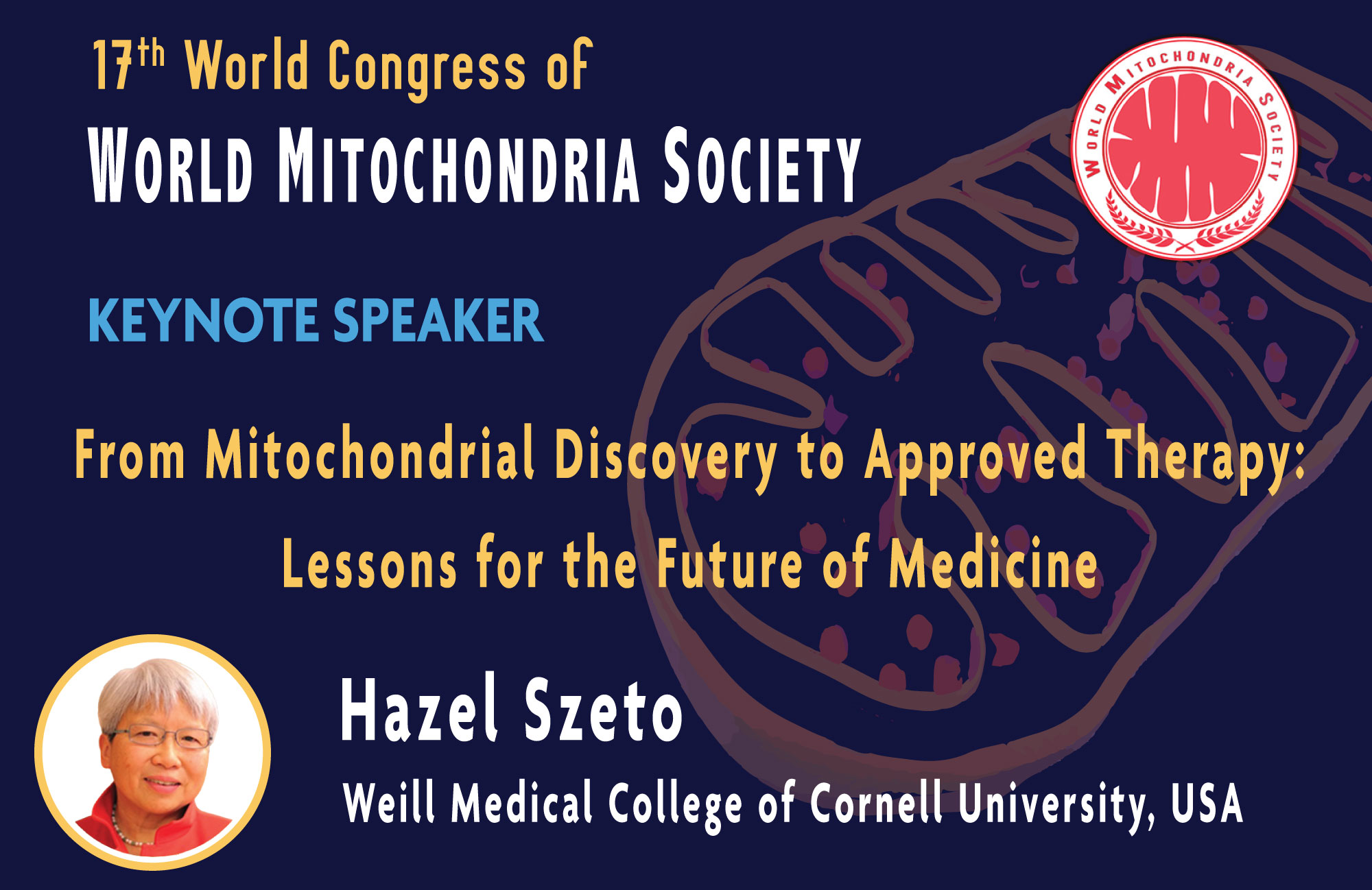
From Powerhouse to Prescription: Dr. Hazel Szeto Joins the WMS Annual Meeting 2026 as KEYNOTE Speaker. We are proud to announce that Hazel H. Szeto has accepted our invitation to join the WMS Annual Meeting – Targeting Mitochondria 2026, taking place in Berlin on October 21–23, 2026. Dr. Szeto is internationally recognized for pioneering mitochondria-targeted therapeutics and for helping transform mitochondrial science into real medicine. Her work contributed to one of the first FDA-approved mitochondria-targeted therapies a historic milestone for the field.
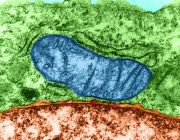
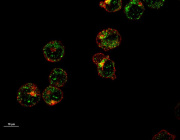
Submit your work for the Best Image Award 2026

Best Scientific Image Award 2026: Show the World Your Mitochondrial Discovery
Can a single image change the way we see mitochondrial biology?
The World Mitochondria Society (WMS) is pleased to announce the opening of submissions for the Best Scientific Image Award 2026, an international competition celebrating the most outstanding scientific images in mitochondrial research.
Mitochondrial Translation Under Stress: A New Frontier in Mitochondrial Medicine.
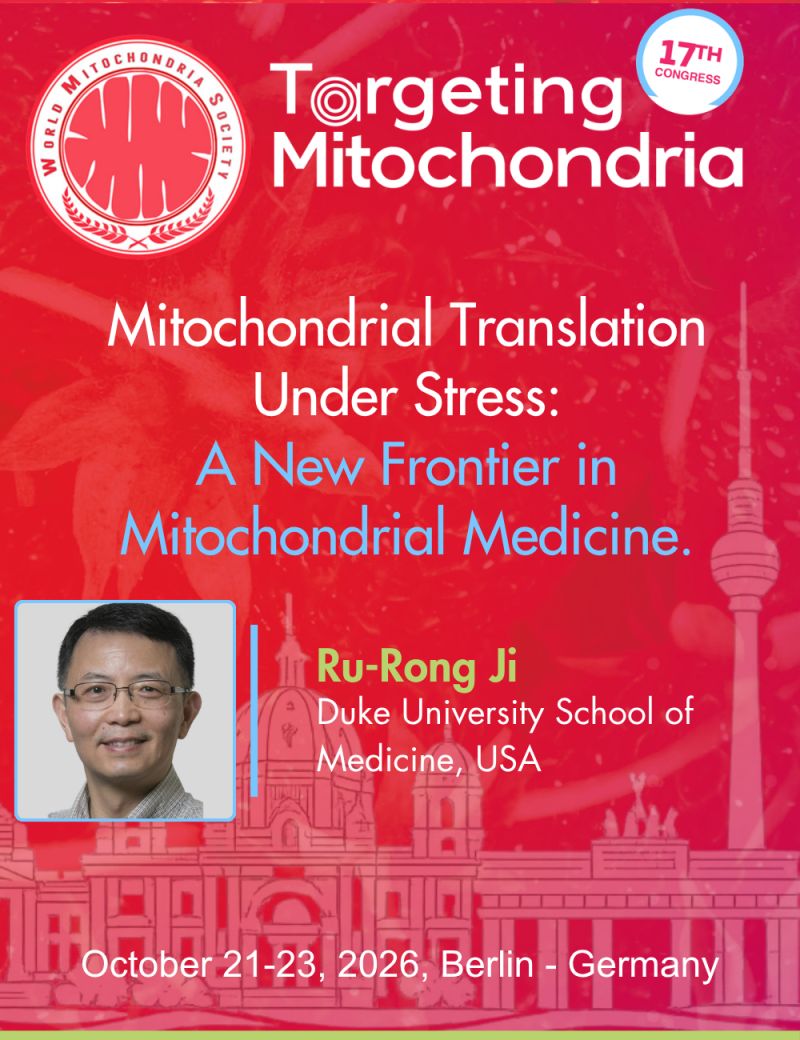 At the upcoming World Mitochondria Society meeting, Dr. Ru-Rong Ji from Duke University School of Medicine, USA, will highlight a strategic topic gaining major relevance: how mitochondrial protein synthesis shapes cellular resilience, disease progression, and therapeutic opportunity.
Mitochondria depend on their own translation machinery to maintain respiratory chain performance and energy balance. When this system fails, consequences may include inflammation, neurodegeneration, metabolic dysfunction, and accelerated aging.
This raises key questions for the field:
* Can impaired mitochondrial translation be an early driver of disease?
* Could restoring mitochondrial proteostasis improve resilience?
* Is this an emerging target for precision therapeutics?
* How does mitochondrial stress signaling reshape whole-cell adaptation?
The future of mitochondrial medicine will not be defined only by ATP production, but also by protein quality control, communication networks, and adaptive capacity.
A discussion highly relevant for experts in aging, metabolism, neuroscience, inflammation, and translational medicine.
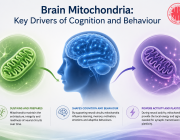
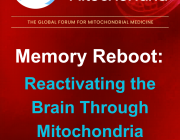
Memory and Mitochondria: Are We Entering the Era of Programmable Brain Energy? T
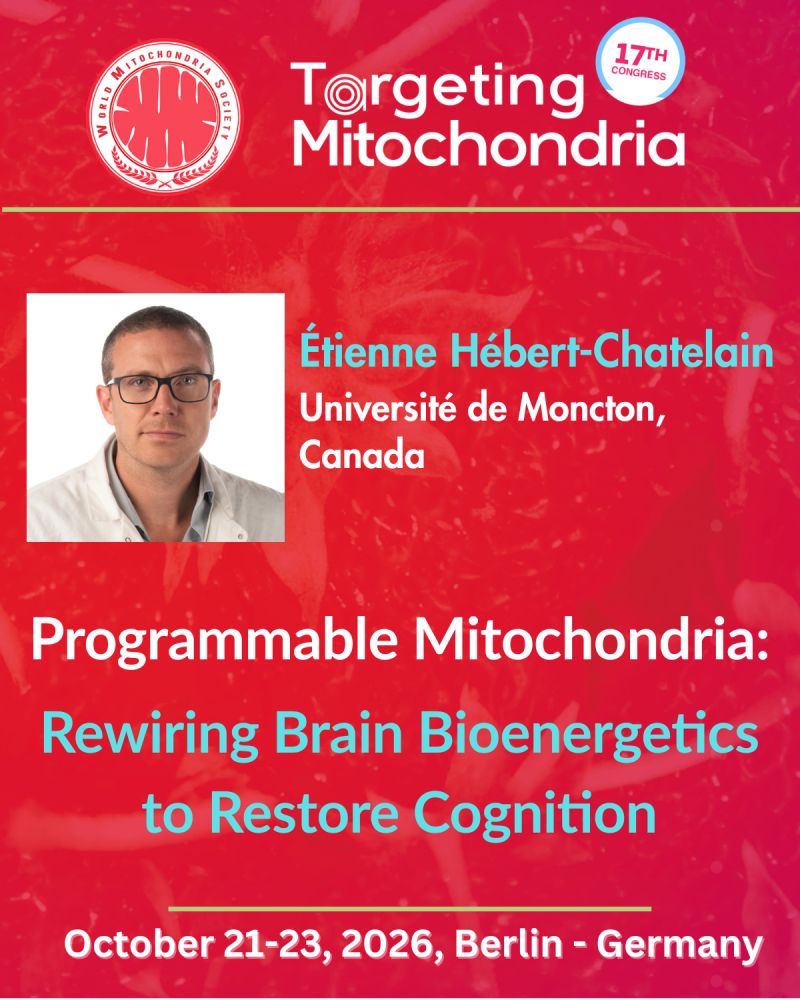
The World Mitochondria Society is pleased to announce that Dr. Etienne Hébert Chatelain from Université de Moncton, Canada, will join the 17th World Congress on Targeting Mitochondria 2026 in Berlin.
Dr. Hébert-Chatelain will present a strategic lecture entitled: Programmable Mitochondria: Rewiring Brain Bioenergetics to Restore Cognition
His recent work published in Nature Neuroscience, together with Giovanni Marsicano and Luigi Bellocchio from NeuroCentre Magendie, INSERM and University of Bordeaux, introduces a major conceptual shift in neurodegeneration research.
Using an engineered mitochondrial signaling system called mitoDREADD-Gs, the team demonstrated that mitochondrial activity can be remotely reactivated, restoring synaptic plasticity and memory performance in mouse models of cognitive decline.
The study suggests that mitochondrial dysfunction may not simply be a downstream consequence of neurodegeneration, but an active driver of cognitive decline that may become therapeutically reversible.
This work opens major perspectives for:
* Mitochondrial neuromodulation
* Organelle-targeted signaling
* Programmable bioenergetics
* Next-generation mitochondrial medicine
At Targeting Mitochondria 2026, this emerging strategic shift will be discussed through critical questions:
Can cognitive decline be reversed by restoring mitochondrial bioenergetics before neurons are lost?
Are mitochondria becoming the next therapeutic control point in Alzheimer’s disease and dementia?
When Mitochondria Are Damaged, Who Decides Cell Survival? From Mitophagy to Stress Signaling: The Next Frontier in Neurodegeneration
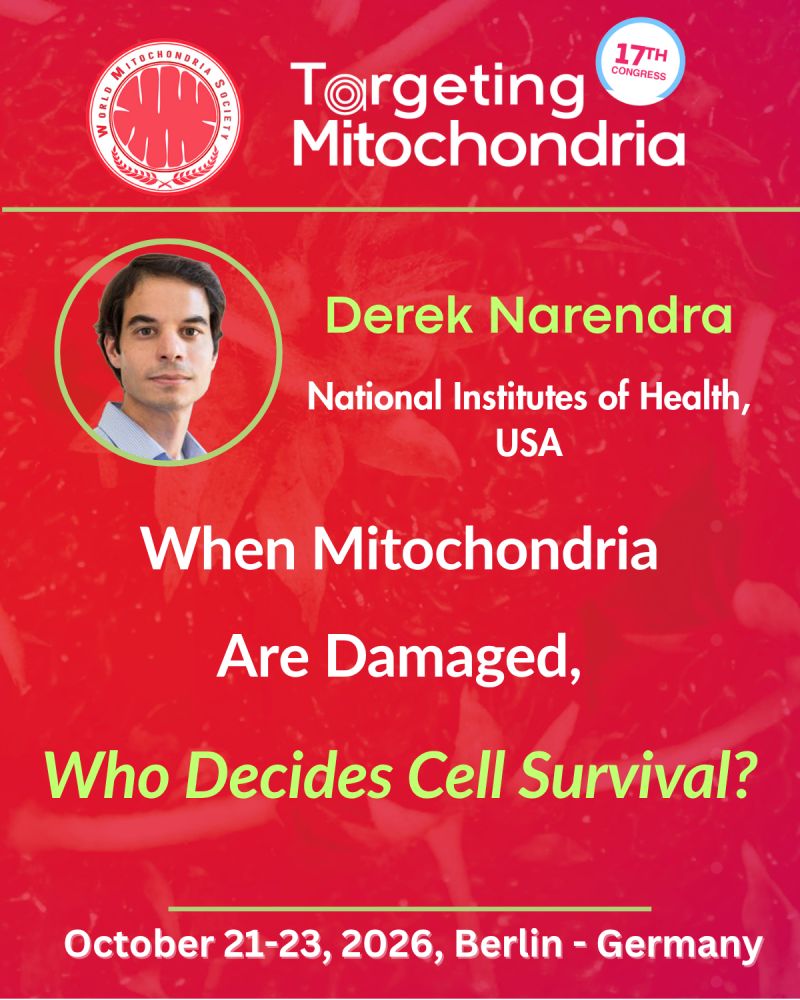 We are pleased to announce that Dr. Derek Narendra from The National Institutes of Health, USA, will join Targeting Mitochondria 2026 as a featured speaker.
Damage-Sensing in Mitochondrial Disorders: From Mitophagy to the Integrated Stress Response
Mitochondria are not passive victims of damage. They possess internal surveillance systems able to detect dysfunction, activate defense programs, and determine whether recovery remains possible.
Professor Narendra will explore how two major mitochondrial quality-control pathways interact in degenerative neurological disorders:
- PINK1–Parkin mitophagy selective elimination of damaged mitochondria
- OMA1–DELE1 mitochondrial integrated stress response (mt-ISR) metabolic adaptation to mitochondrial stress, particularly protein homeostasis
These pathways are often activated together, yet serve complementary functions:
- one removes defective mitochondria
- one helps the cell adapt and survive under stress
Using in vivo models of mitochondrial myopathy caused by protein misfolding, his team has shown that these pathways are essential for survival and may behave differently in living tissues compared with cultured cells.
Strategic Questions for Berlin
- Why do some cells recover while others degenerate?
- Can stress signaling be therapeutically tuned before irreversible damage occurs?
- Could neurodegeneration begin with failed mitochondrial damage sensing?
The future of mitochondrial medicine may not only be correcting mutations.
It may be understanding how cells detect danger, respond to stress, and choose survival or collapse.
Innovation Showcase - Call for Emerging Mitochondrial Technologies
We welcome researchers, start-ups and technology developers working on mitochondrial imaging, functional assays, metabolic analysis, artificial intelligence, diagnostic platforms and emerging analytical technologies.
The session will close around one strategic question:
Which technologies are truly ready to transform mitochondrial research and clinical practice?
If you are developing a new way to see, measure, decode or evaluate mitochondria, bring it to Berlin.
For more information and innovation submission:https://wms-site.com/alert-on-mitochondria/1396-call-for-abstracts-innovations-2026
Targeting Mitochondria 2026 Announces Final Scientific Agenda
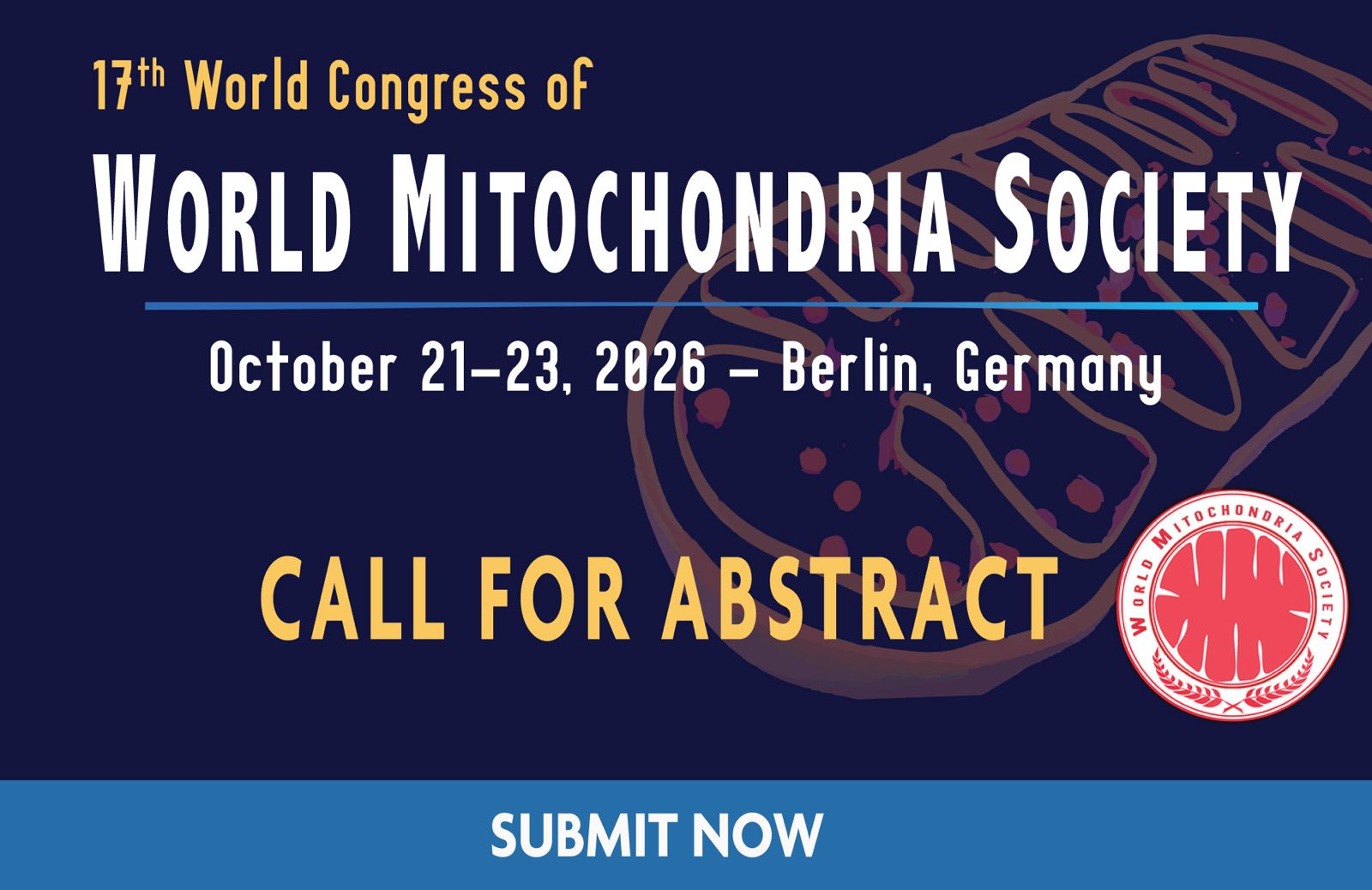
The World Mitochondria Society has released the final scientific agenda for Targeting Mitochondria 2026, taking place on October 21–23 in Berlin and online.
More than 210 scientists, clinicians, industry representatives and innovators are expected to participate, bringing together an international community focused on one of the most rapidly evolving areas of biomedical research.
The 2026 program reflects the growing scientific and medical importance of mitochondria, with communications covering fundamental mechanisms, disease biology, emerging technologies and therapeutic translation.
Across three days, the meeting will feature keynote lectures, major scientific talks, selected short oral communications, innovation presentations, posters, workshops and scientific discussions.
Among the major themes addressed in the final agenda:
- mitochondrial dynamics, quality control and signaling;
- mitophagy and mechanisms of mitochondrial dysfunction;
- ageing, senescence and longevity;
- neurodegeneration and brain health;
- metabolism and mitochondrial medicine;
- mitochondrial transfer and transplantation;
- emerging mitochondrial therapeutics;
- advanced technologies for mitochondrial research;
- translation of mitochondrial science toward clinical applications.
The program will bring established leaders together with emerging investigators, providing a broad view of the discoveries, technologies and therapeutic concepts currently shaping mitochondrial research.
Beyond individual presentations, Targeting Mitochondria 2026 is designed to encourage interaction across disciplines and to address a broader challenge:
How can mitochondrial discoveries move beyond mechanisms and become part of the medicine of tomorrow?
With more than 210 participants joining from Berlin and online, the 17th World Conference on Targeting Mitochondria will provide three intensive days of science, exchange and new perspectives on the future of mitochondrial medicine.
The complete scientific agenda, including all scheduled communications, is now available here.
For more information & registration: https://wms-site.com/
Targeting Mitochondria 2026
17th World Conference on Targeting Mitochondria
October 21–23, 2026 | Berlin & Online