Brain Mitochondria: The Hidden Architects of Cognition and Behaviour


- Details
- Published on 15 July 2026
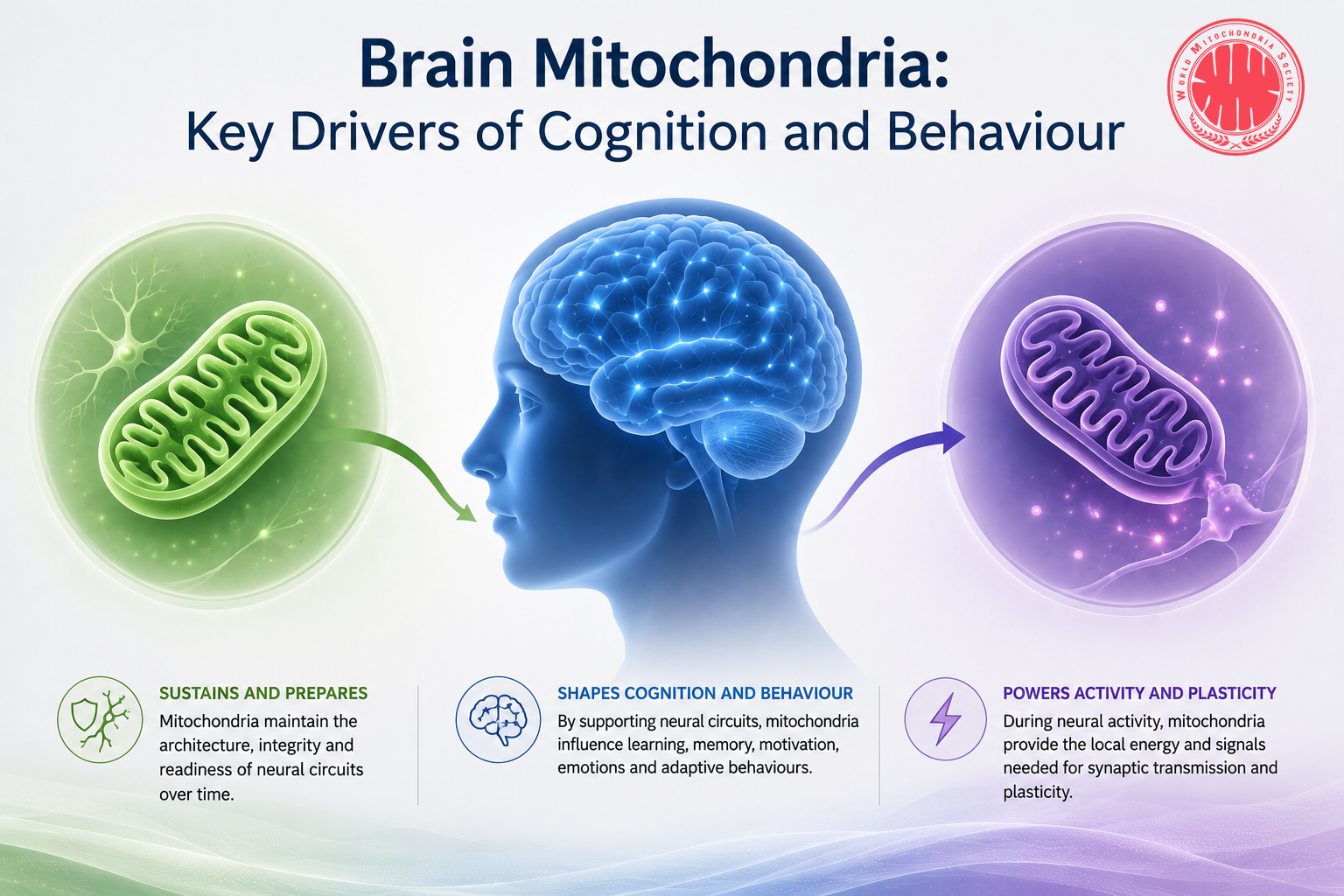
For decades, mitochondria were described as the "powerhouses of the cell." A new review published in Nature Reviews Neuroscience argues that this definition is no longer sufficient.
According to an international team of leading neuroscientists, mitochondria are not merely suppliers of energy to the brain — they are active participants in the mechanisms that shape how we think, learn, remember, adapt and behave.
The review, "Brain Mitochondria as Key Drivers of Cognition and Behaviour," was published on July 13, 2026 in Nature Reviews Neuroscience and was led by Prof. Carmen Sandi from the EPFL Brain Mind Institute and the EPFL School of Life Sciences, together with Prof. Mary Kay Lobo from the University of Maryland School of Medicine and Prof. Juan P. Bolaños from the University of Salamanca. The multidisciplinary team also included Fiona Hollis, Yusuke Hirabayashi and Jaime de Juan-Sanz from institutions in Switzerland, the United States, Japan and France.
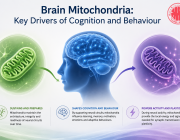
The authors propose a new conceptual framework based on two complementary modes of mitochondrial action in the brain:
- Baseline mitochondrial support, which maintains neuronal architecture, preserves circuit integrity and determines the readiness of neural networks to respond.
- Activity-evoked mitochondrial support, in which mitochondria rapidly provide local energy and signalling molecules required for neurotransmission, synaptic plasticity and memory formation.
This dual role positions mitochondria at the center of some of the most complex brain functions, including:
- Learning and memory,
- Reward and reinforcement,
- Motivation,
- Stress adaptation,
- Anxiety-related behaviours,
- Cognitive flexibility and resilience.
The review further highlights that stress hormones, immune signals and metabolic cues can influence behaviour by acting directly on mitochondrial function within neural circuits. In this view, mitochondria emerge as a biological interface linking metabolism, immunity and brain function.
Perhaps the most important message from this work is simple:
Mitochondria do not merely power the brain, they help determine how the brain computes information and generates behaviour.
This paradigm shift expands mitochondrial medicine far beyond classical bioenergetics and neurodegeneration, opening new perspectives for understanding psychiatric disorders, cognitive decline, stress-related diseases and brain ageing.
As the field of mitochondrial medicine continues to evolve, the question may no longer be whether mitochondria influence cognition and behaviour, but rather to what extent the biology of the mind is fundamentally mitochondrial.
Read the full news here
Read the news on LinkedIn