Exercise May Help the Brain Heal After Stroke


- Details
- Published on 21 January 2026
New research shows movement can send energy to damaged brain cells, opening new doors for therapy
Exercise has long been known to help people recover after stroke. Now scientists have found a possible reason why. A new study shows that physical activity may help the body deliver energy directly to injured parts of the brain, supporting repair and recovery.
The research suggests exercise is not only training muscles or improving balance. It may activate a natural healing process inside the body that helps brain cells survive and function after injury.
What they did
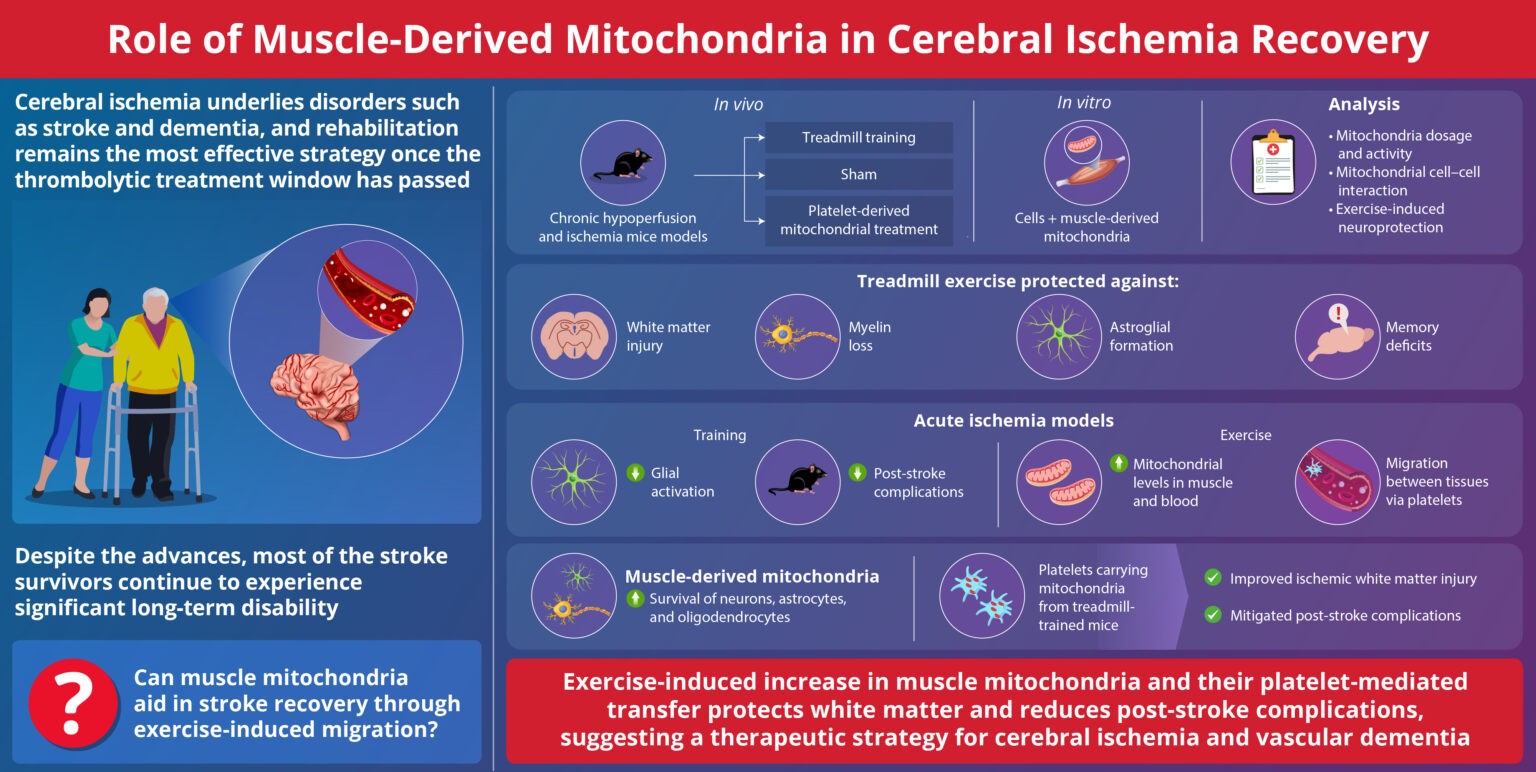
Researchers studied stroke in mice to closely observe what happens inside the body during recovery. They divided the animals into two groups. One group exercised regularly. The other group did not.
The scientists focused on mitochondria, the parts of cells that produce energy. They measured mitochondria in muscles, blood, and brain tissue.
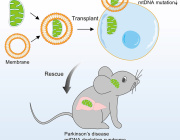
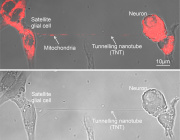
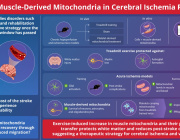
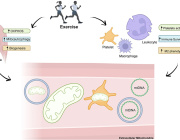
They found that exercise increased the number of mitochondria in the blood. Platelets then carried these mitochondria through the bloodstream. After stroke, the mitochondria traveled into damaged areas of the brain and entered brain cells.
The researchers also tested movement, memory, and brain structure. Mice that exercised had less damage to brain tissue and performed better on recovery tests.
Why it matters
Stroke treatment options are limited. Emergency care can restore blood flow, but long term brain repair remains difficult. Rehabilitation depends largely on repeated physical practice.
This study adds a new layer of hope. It suggests exercise may work as a biological therapy, helping the brain at a cellular level, not only through practice and training.
Impact
The findings point to a new way of thinking about recovery. Exercise may act as a delivery system, sending energy from the body to the injured brain. This could help explain why movement improves outcomes even weeks or months after stroke.
The research also raises important questions. Could future therapies copy the benefits of exercise for patients who cannot move easily? Could similar approaches help people with dementia or other brain conditions?
Perspective
The study was done in animals, not humans, and more research is needed before clinical use. But the message is optimistic and grounded in biology.
The body is not passive after injury. With movement, it may activate its own repair tools.
Exercise may be more than rehabilitation. It may be part of the medicine itself.
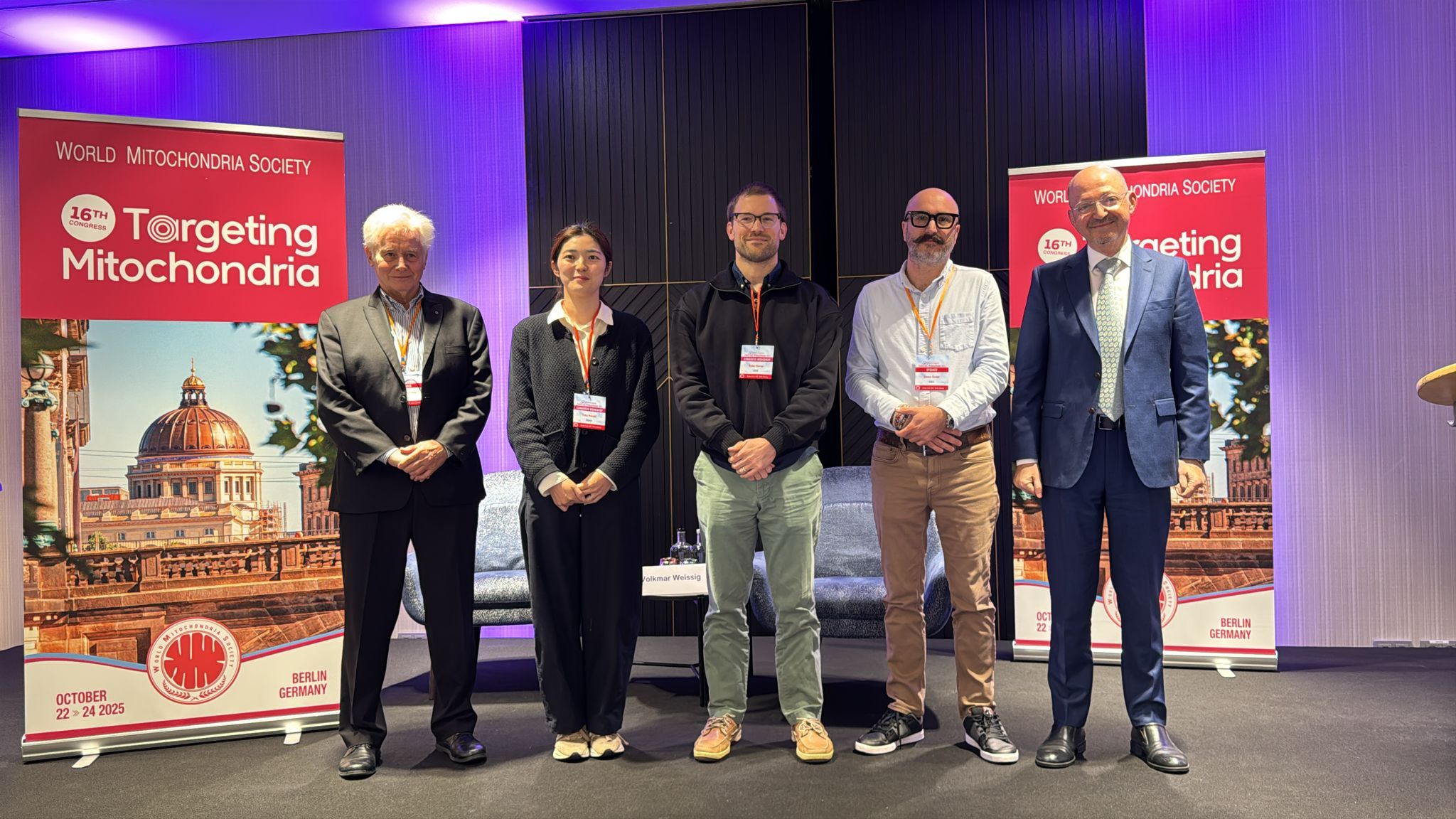
These findings resonate strongly with the spirit of Targeting Mitochondria 2026, where dynamism is the central concept.
They remind us that health and recovery are not static processes, but living, energy-driven dialogues between organs, cells, and systems.
At TM2026, scientists, clinicians, and innovators will explore how movement, energy transfer, and mitochondrial intelligence can reshape our understanding of therapy from stroke recovery to neurodegeneration, aging, and resilience.
This study reinforces a simple but powerful idea: when biology moves, healing follows.
And sometimes, the most effective therapies begin not with drugs, but with restoring the natural dynamics of life itself.
References & Image Credits:
T.Inaba, N.Miyamoto, K.Hira, et al. “Mitochondrial Intercellular Transfer via Platelets After Physical Training Exerts Neuro-Glial Protection Against Cerebral Ischemia.” MedComm7, no. 2 (2026): e70590. https://doi.org/10.1002/mco2.70590
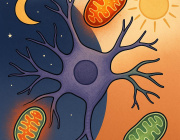
Image title: Exercise-induced mitochondria aid recovery from cerebral ischemia
Image caption: Researchers have demonstrated how mitochondria, which are abundant in muscle, could aid in stroke recovery through exercise-induced migration.
Image credit: Dr. Toshiki Inaba, Juntendo University School of Medicine, Japan
Read the full article
We are pleased to announce that the 17th Conference Targeting Mitochondria 2026 will be held in Berlin, Germany, from October 21-23. We look forward to welcoming you.