Will Future Medicine Transplant Organelles Instead of Organs?


- Details
- Published on 20 January 2026
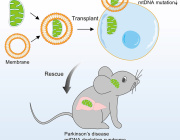
Mitochondrial transplantation is emerging as a potential new strategy to restore cellular energy and repair damaged tissues.
For decades, medicine has replaced failing organs through transplantation. But a new scientific idea is beginning to reshape biomedical thinking: what if we could repair cells by replacing their organelles instead of entire organs?
At the center of this emerging concept are mitochondria, the organelles responsible for producing cellular energy and regulating metabolism, oxidative stress, and cell survival. Mitochondrial dysfunction is now recognized as a central component of many diseases, including neurodegeneration, metabolic disorders, ischemic injury, and inflammatory conditions.
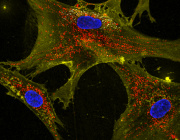
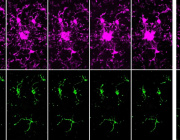
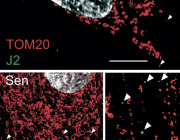
Recent experimental work has begun to clarify how cells interact with transplanted mitochondria. Researchers studying mesenchymal stromal cells demonstrated that isolated mitochondria can be actively internalized by recipient cells, rather than remaining outside the cell.
Once internalized, these mitochondria remain metabolically active and enhance key cellular functions. The study showed increases in oxygen consumption, ATP production, and resistance to oxidative stress, indicating improved cellular bioenergetics.
Importantly, mitochondrial uptake occurs through energy-dependent endocytic pathways, including dynamin-mediated and lipid-raft–associated mechanisms. These findings suggest that mitochondrial incorporation is an active biological process rather than a passive event.
A Strategic Topic for Future Mitochondrial Medicine
The concept of mitochondrial transplantation reflects a broader transformation in biomedical thinking: mitochondria are no longer viewed only as metabolic organelles but as therapeutic targets and potential therapeutic agents.
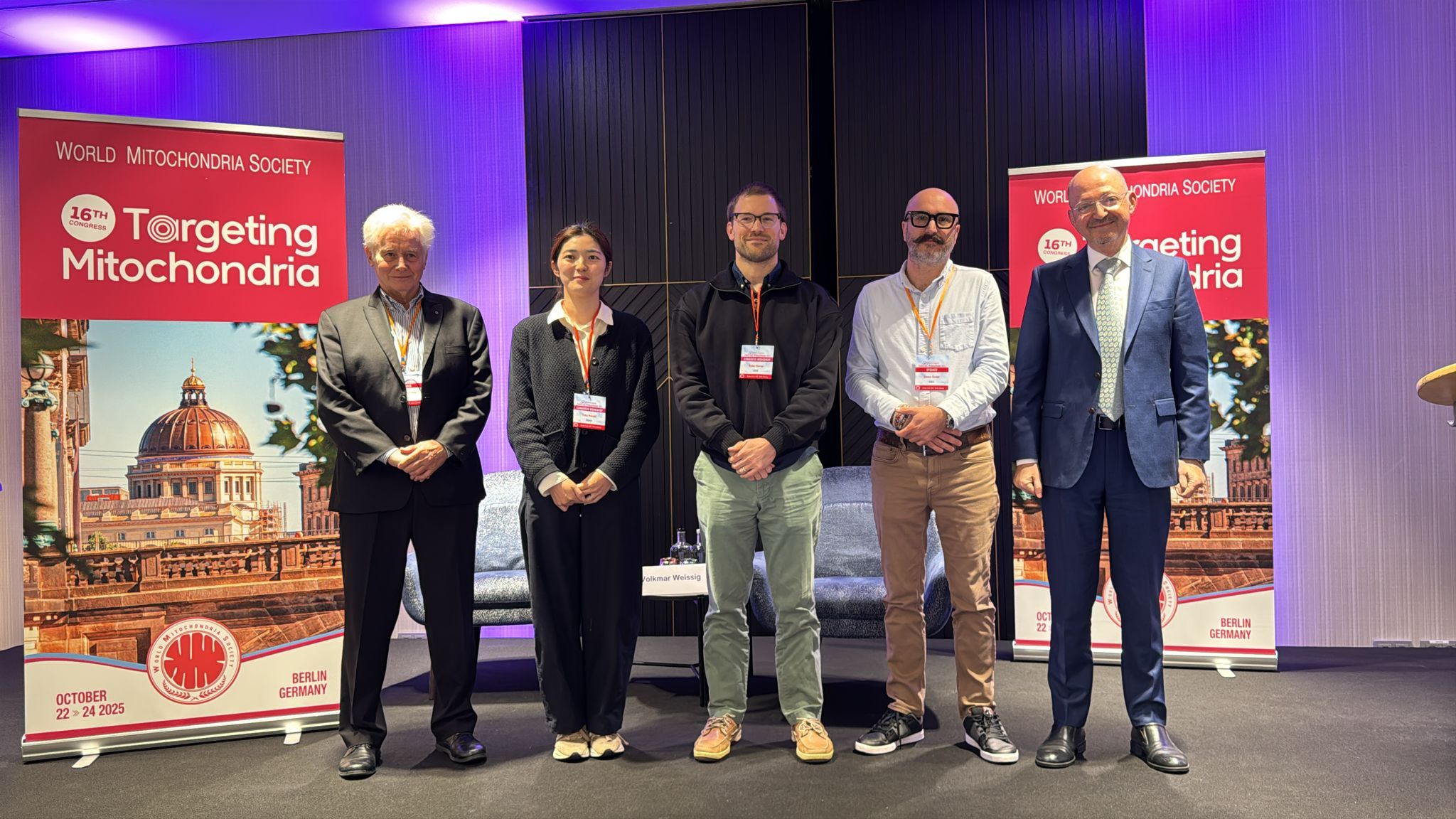
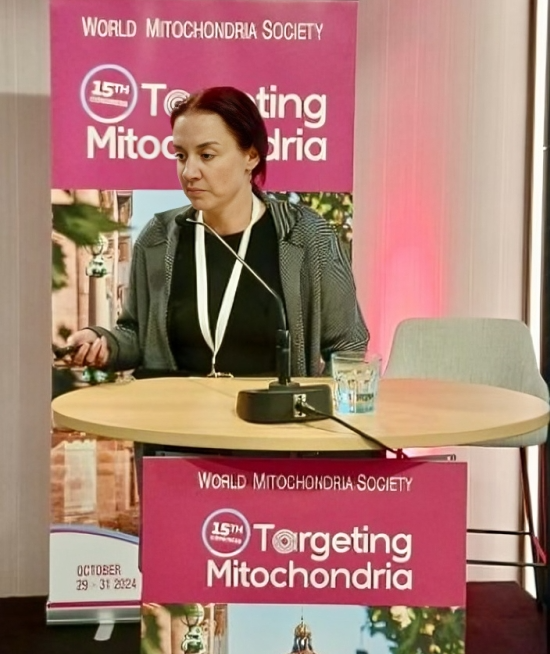
For this reason, mitochondrial transfer and mitochondrial-based therapies will be one of the strategic themes discussed at the upcoming Targeting Mitochondria 2026 meeting, organized by the World Mitochondria Society in Berlin.
The meeting will explore several emerging directions in mitochondrial medicine, including:
- Mitochondrial transplantation and organelle therapy
- Mitochondrial communication with microbiota and immune systems
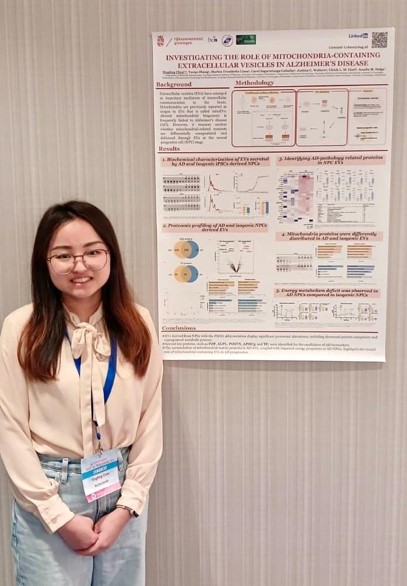
- Extracellular vesicles as carriers of mitochondrial signals
- Metabolic resilience and aging
- Mitochondrial dysfunction in neurodegeneration and chronic disease
Understanding how mitochondria move between cells, integrate into recipient tissues, and influence cellular metabolism may redefine how medicine approaches diseases driven by energy failure.
Implications for Medicine
Because mitochondrial dysfunction contributes to numerous diseases, mitochondrial transplantation could potentially impact several fields:
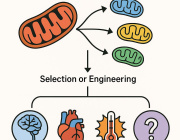
- Neurodegenerative diseases such as Alzheimer’s and Parkinson’s disease
- Stroke and ischemia–reperfusion injury
- Metabolic diseases
- Inflammatory and immune disorders
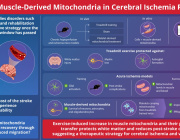
In neuroscience, experimental studies are already exploring whether delivering mitochondria to damaged neurons could protect brain cells and improve recovery after injury.
Toward Organelle-Based Medicine
Traditional therapies target molecules or genes. Mitochondrial transplantation proposes something fundamentally different: restoring cellular function by supplying intact bioenergetic organelles.
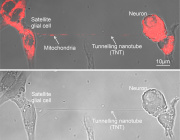
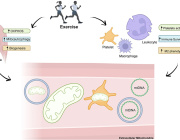
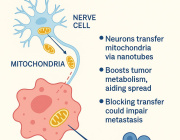
Interestingly, biology already supports this possibility. Cells can naturally exchange mitochondria through tunneling nanotubes and extracellular vesicles, suggesting that organelle transfer may be part of natural repair mechanisms.
If these processes can be controlled and scaled, medicine may eventually move toward a new paradigm: organelle-based therapies.
The Questions That Will Shape the Field
Despite its promise, mitochondrial transplantation remains an emerging concept. Several scientific challenges remain:
- How efficiently can transplanted mitochondria integrate into tissues?
- How long do transplanted mitochondria remain functional?
- Can mitochondrial delivery become safe, scalable, and standardized?
- What regulatory frameworks will govern organelle-based therapies?
Answering these questions will determine whether mitochondrial transplantation becomes a cornerstone of regenerative medicine.
If successful, future therapies might not only repair genes or proteins.
They might restore the energy systems of the cell itself.
References
Kanai, M., Goto, M., Itakura, S. et al. Uptake mechanisms and functions of isolated mitochondria in mesenchymal stromal cells. Sci Rep15, 44799 (2025). https://doi.org/10.1038/s41598-025-28494-5