
From Energy to Signaling: Tracking Early Mitochondrial Distress with PET to Predict Trajectories from Normal Brain Aging to Neurodegenerative Disease
We are pleased to announce that Professor Meagan McManus from the University of Arizona College of Medicine, USA, will join Targeting Mitochondria 2026 as a speaker.
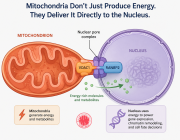
Mitochondria are central not only to neuronal bioenergetics but also to intercellular signaling that shapes brain aging and initiates neurodegenerative cascades. Reactive oxygen species (ROS) and other mtDAMPs act as early, immunogenic mediators that couple mitochondrial stress to glial activation and progressive neurodegeneration. Here I will present convergent preclinical evidence supporting [18F]ROStrace PET, a blood–brain-barrier–permeant, redox-sensitive tracer, as a translational tool to noninvasively detect mito-immune distress long before overt pathology in models relevant to late-onset Alzheimer’s disease (AD) and Parkinson’s disease (PD).
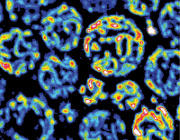
In AD-focused studies, dynamic PET/CT with [18F]ROStrace discriminated APP/PS1 and hAPP-APOE3/4 mice from controls by midlife, with retention increases that predicted amyloid deposition and neuronal oxidative damage. Signals emerged earlier and stronger in females and APOE4 carriers, localizing to hippocampus and cortex and correlating with mitochondrial dysfucntion and spatially resolved transcriptomic signatures of microglial neuroinflammation and neuronal synaptic decline- highlighting perimenopausal bioenergetic vulnerability as a critical window for intervention in the majority of LOAD patients.
Parallel PD-model studies (MitoPark, ND6P25L, A53T) demonstrated early, progressive [18F]ROStrace retention prior to dopaminergic cell loss and motor deficits, correlating with alpha-synuclein aggregation and microglial activation, as well as sensitization to peripheral inflammatory challenge.
Together, these data position ROS-PET as a first-in-class biomarker of mitochondrial distress that (1) detects prodromal mito-immune signaling across disease-relevant mechanisms, (2) stratifies sex- and genotype-dependent vulnerability, and (3) defines actionable therapeutic windows for mitochondria-directed interventions aimed at preventing progression from normal aging to clinical AD or PD. I will discuss translational pathways for clinical ROS-PET validation and its potential to reshape early detection and trial design in mitochondrial-targeted neurotherapeutics.
For more information -
Read the news on LinkedIn